How Professional Grading and Landscaping Are Essential for a Retaining Wall
Retaining walls rarely fail because of the block, stone, or structure alone. In many cases, the root cause is outside the wall footprint. Water movement, surrounding soil conditions, and landscape layout all influence how well a wall performs over time.
This is especially true in Western Pennsylvania. Sloped yards, heavy seasonal rainfall, and freeze-thaw cycles put constant pressure on outdoor structures. At Gramm Outdoor Contracting, we approach every retaining wall installation in Pittsburgh as part of a larger system. A retaining wall is only as effective as the grading and landscape around it.
When grading and landscaping are treated as integrated components rather than add-ons, retaining walls last longer, perform better, and protect the property more effectively.
Why Surface Water Management Matters More Than Most Homeowners Realize
Water always follows the path of least resistance. It does not recognize property lines or structural boundaries. It moves according to topography, soil composition, and surface materials.
When grading directs water toward a retaining wall, the wall absorbs the impact. Even a well-built wall can be overwhelmed if runoff is consistently flowing toward it or collecting behind it. The issue is not usually the construction of the wall itself. It is the planning that precedes it.
Surface water management is a design consideration. It involves understanding how water travels across the yard during normal rainfall and during heavier seasonal storms. Without that understanding, a retaining wall becomes a barrier that holds back soil but also absorbs unnecessary water pressure.
Professional site evaluation focuses on how water behaves across the entire property, not just within the wall's footprint.
How Runoff Patterns Affect Retaining Wall Performance
Runoff patterns are often more complex than they appear. Downhill flow tends to concentrate in specific channels over time. Roof runoff, driveway runoff, and even water coming from neighboring properties can converge near a proposed wall location.
In Pittsburgh, rainfall patterns, combined with winter freeze-thaw cycles, add another layer of stress. Water that collects behind or above a wall can expand when temperatures drop. Over time, this repeated cycle increases pressure on the structure and the surrounding soil.
Understanding runoff patterns is part of professional site evaluation, not guesswork. A qualified retaining wall contractor in Pittsburgh should assess how water moves across the entire property before finalizing design decisions. That analysis helps determine how grading and landscaping need to support the wall for long-term performance.
The Role of Grading in Long-Term Retaining Wall Stability
Grading for retaining walls is about more than shaping soil. It is about directing water and relieving pressure before they become structural concerns.
When grading is properly planned, it reduces the amount of water that collects near the wall. It controls where water disperses and how it moves away from vulnerable areas. This reduces hydrostatic pressure, which is one of the leading contributors to retaining wall drainage issues.
Grading also protects the surrounding landscape. It prevents erosion along the wall edges and limits soil displacement during heavy rain. Over time, this stability preserves both the structural integrity of the wall and the yard's appearance.
Without coordinated grading, even a structurally sound wall may face preventable stress. Professional landscape grading and drainage planning ensure the wall functions as part of a system rather than as a standalone structure.
Landscaping Choices Can Help or Hurt a Retaining Wall
Landscaping plays a crucial role in how a retaining wall performs. Plant placement, soil type, and surface materials all influence water absorption and runoff behavior.
Certain root systems can shift soil over time if they are placed too close to structural elements. Saturated planting beds can hold excess moisture against the wall. Mulch and loose surface materials can wash away during heavy storms, exposing soil and creating erosion points.
Hardscape transitions are equally important. When patios, walkways, or driveways meet a retaining wall, the surrounding surfaces must direct water appropriately. Poor transitions can funnel water directly toward the structure.
Working with a contractor who understands both structural construction and professional landscaping in Pittsburgh ensures that aesthetic decisions do not compromise structural performance. The goal is a cohesive outdoor space where each element supports the others.
Why Retaining Walls Should Be Planned Alongside Other Outdoor Features
Retaining walls installed with patios, walkways, and water features. When these elements are designed independently, drainage conflicts can occur.
For example, a patio that directs water toward a wall can undo careful structural planning. A water feature that alters runoff patterns can increase pressure in unintended areas. Integrated planning helps prevent costly rework and performance issues.
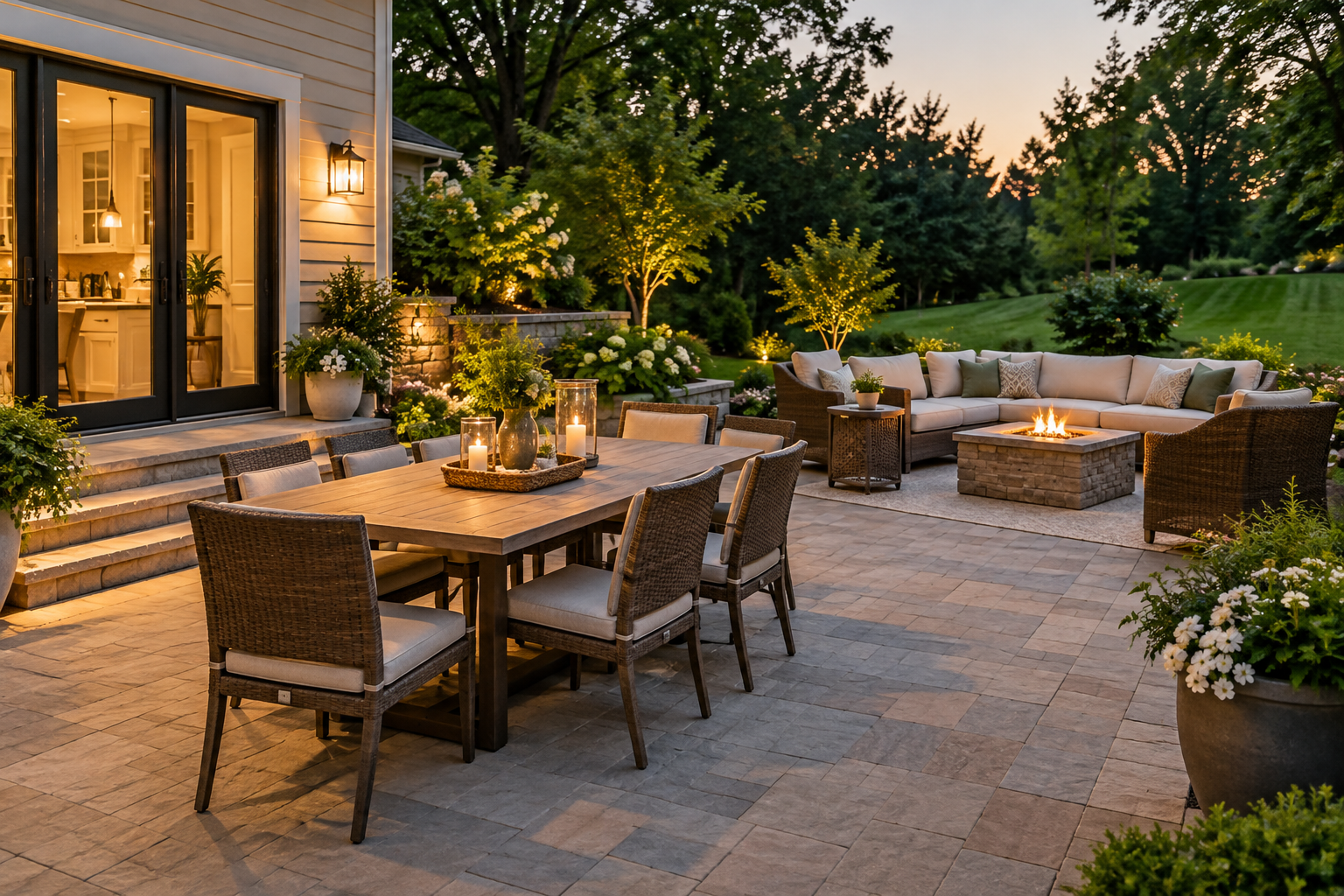
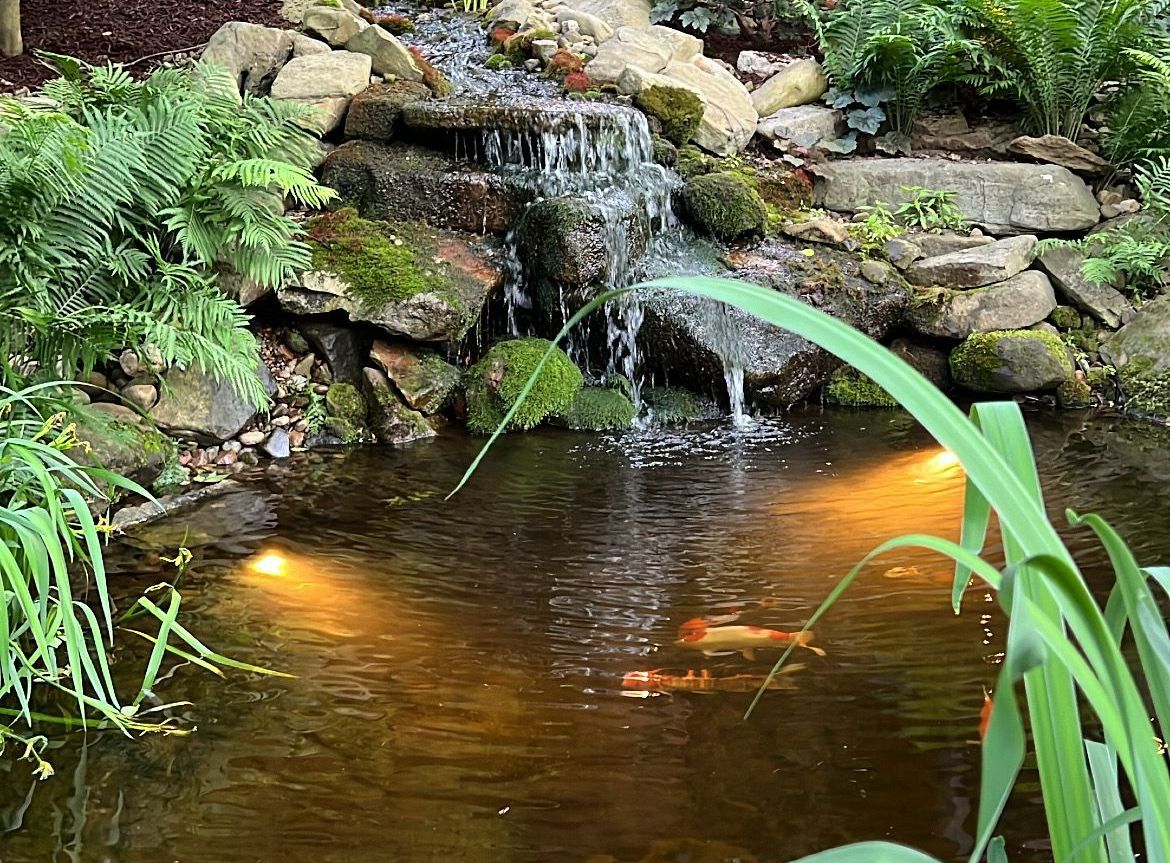
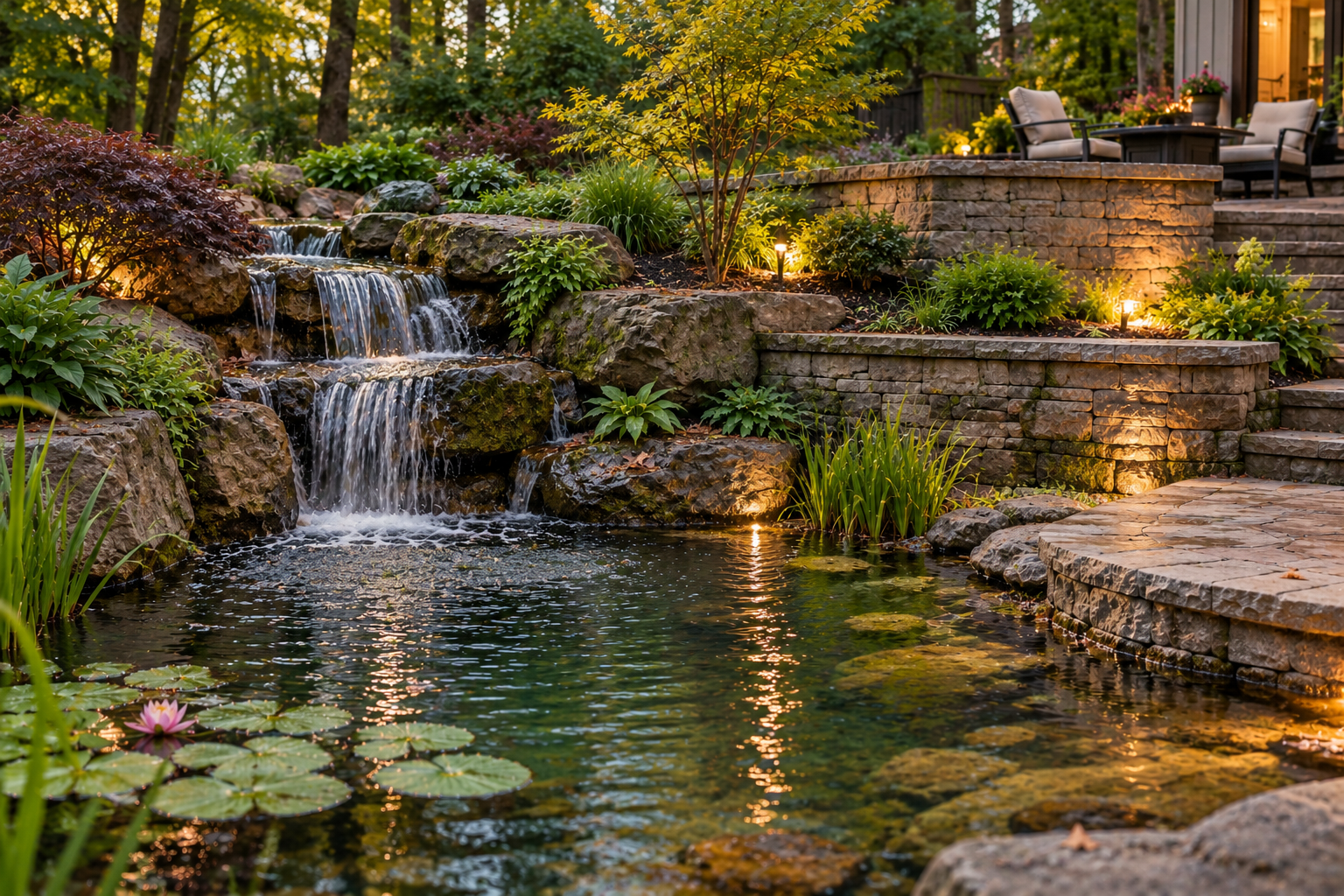
At Gramm Outdoor, the retaining walls we install are frequently part of larger outdoor transformations that include patios, steps, and even integrated hardscaping and water features. When these elements are designed together, grading and drainage strategies can support the entire space rather than being adjusted after installation. If you are exploring ways to combine structural and visual impact, our guide on integrated hardscaping and water features provides additional insight.
Unified planning improves both function and appearance. It ensures that water management, structural stability, and design goals align from the beginning.
Common Problems When Grading and Landscaping Are Treated as Afterthoughts
When grading and landscaping are secondary considerations, specific patterns tend to emerge.
Water may pool behind or above the wall. Soil erosion can develop at the edges. Planting areas may remain saturated long after rainfall. Over time, the wall may show signs of movement or separation.
These issues are rarely caused by one isolated mistake. More often, they stem from incomplete planning. Treating grading and landscaping as separate tasks rather than structural support systems increases the likelihood of premature wear.
For property owners comparing contractors, this is an important distinction. A single service installer may focus solely on the wall itself. A full scope outdoor contractor evaluates how the wall fits into the broader landscape and drainage plan.
How Gramm Outdoor Approaches Retaining Wall Installation in Pittsburgh
Our approach to retaining wall installation in Pittsburgh begins with a site-specific evaluation. We assess slope conditions, runoff patterns, soil behavior, and how surrounding features interact with the proposed wall location.
Grading, drainage, and wall design are coordinated from the outset. This integrated process reduces long-term risk and supports overall landscape performance. Our team understands how the Pittsburgh terrain and weather patterns influence outdoor structures. From steep residential lots to properties affected by seasonal water movement, local experience informs every decision.
We do not treat retaining walls as isolated installations. We treat them as structural components within a larger outdoor system. That mindset protects the investment and supports long-term durability.
If you are researching options, learn more about our approach to retaining wall installation in Pittsburgh and how integrated planning improves outcomes.
When to Have Your Property Evaluated
Certain conditions suggest it is time for a professional evaluation.
Persistent runoff issues after heavy rain are one indicator. Sloped yards with visible erosion are another. Existing retaining walls that show movement, cracking, or soil displacement may signal underlying grading or drainage concerns.
If you are planning a patio, walkway, or water feature, it is also wise to evaluate how those additions will interact with existing slopes and structures. Addressing grading and drainage during the planning phase prevents future complications.
Early evaluation allows for coordinated design rather than reactive repairs.
Strong Retaining Walls Start With Smart Planning
Grading and landscaping are not optional enhancements. They are structural support systems that determine how well a retaining wall performs over time.
In a region like Pittsburgh, where weather and terrain create ongoing pressure on outdoor spaces, coordinated planning matters. A retaining wall designed in concert with grading and drainage strategies will outperform one installed in isolation.
At Gramm Outdoor Contracting, we approach each retaining wall project with a systems-based mindset. By aligning retaining walls, grading, and landscape design from the beginning, we protect both the structure and the surrounding property.
If you would like to start a retaining wall project, schedule a Retaining Wall and Grading Evaluation with our team. You can also talk directly with a Pittsburgh retaining wall contractor to discuss your property conditions and long-term goals. Thoughtful planning today supports lasting performance tomorrow

Author: Jake Gramm
Owner & Founder of Gramm Outdoor Contracting, Jake leads crew of experts in hardscaping and landscaping installations providing top notch work to the Pittsburgh area.
You might also like