Paver and Natural Stone Patios Installed By Jake Gramm

Jake Gramm • July 28, 2025

Natural Stone and Paver Patio Installation in Pittsburgh


Whether you're looking to enhance your outdoor entertaining or create a peaceful retreat steps from your back door, Gramm Outdoor brings expert craftsmanship and custom design to every patio project.


Why Invest in a Custom Patio?


Your outdoor space should enhance the comfort and beauty of your home by offering the perfect place to relax, gather, and enjoy the seasons. At Gramm Outdoor Contracting, we specialize in transforming backyards across Pittsburgh into inviting outdoor living spaces with custom patios that blend function, form, and style.


As outdoor living continues to remain a popular feature of any home, a professionally installed patio can significantly enhance your home's curb appeal and resale value. Whether you're hosting friends or simply enjoying your morning coffee outside, a well-designed patio creates a lasting impression and years of enjoyment.


Our Patio Installation Services


At Gramm Outdoor Contracting, we offer two signature patio solutions—each tailored to your preferences and lifestyle:


Natural Stone Patios


Natural stone patios offer a timeless look that complements traditional and modern homes. We commonly work with materials such as flagstone, slate, and bluestone to create unique patterns and layouts that bring natural beauty to your backyard.


Natural stone is known for its long-lasting durability and minimal maintenance requirements, making it a wise investment for Pittsburgh homeowners who want lasting quality without constant upkeep. Its organic textures and subtle color variations provide a high-end aesthetic that blends effortlessly with your landscape.


Paver Patio Installation


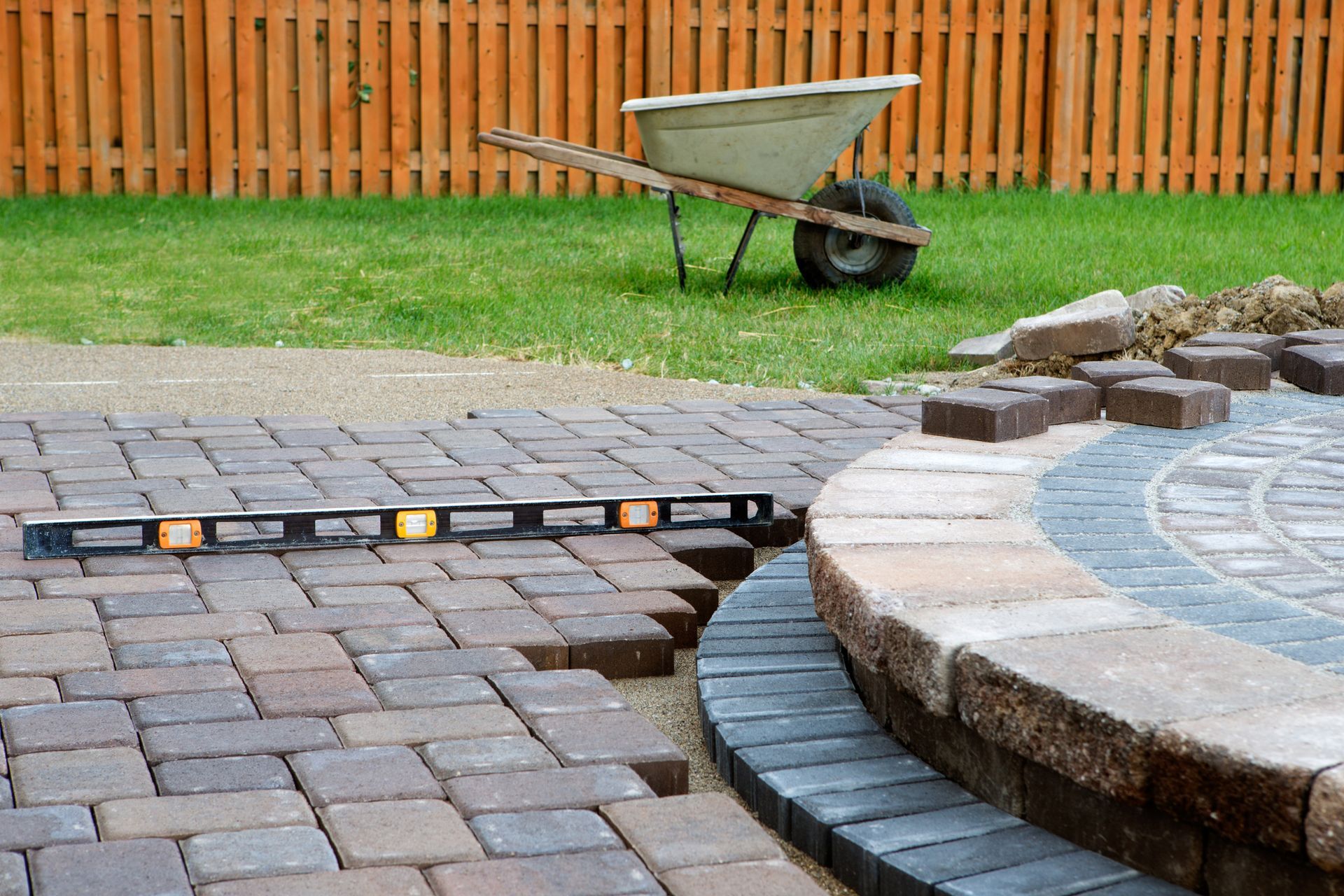
Paver patios are a great choice for homeowners seeking design flexibility and affordability. With a variety of colors, shapes, and laying patterns, pavers allow for truly custom layouts—whether you envision a cozy seating nook, a fire pit area, or a spacious dining space.


Paver patios are fast to install and built to withstand Pittsburgh's seasonal climate shifts. They're also easy to repair, making them a long-term, low-stress solution for your outdoor space.


Whether you're dreaming of a rustic natural stone retreat or a crisp, modern paver design, our team is ready to create the patio of your dreams.


Why Choose Gramm Outdoor Contracting?


Choosing the right patio contractor near you is key to a successful project. At Gramm Outdoor Contracting, we bring over a decade of hardscaping experience to each installation. As a locally owned and operated company, we understand the Pittsburgh region's terrain, seasonal challenges, and the materials that perform best year-round.


From the start, you'll work with a dedicated team that listens closely to your goals. We offer personalized design consultations and 3D renderings to help you picture your new outdoor space before construction begins.


Our process includes careful attention to site preparation, drainage, and grading, ensuring your patio isn't just beautiful—it's built to last.


Our clients often highlight our clear communication, efficient timelines, and the pride we take in every detail.


Are you looking for a patio contractor near you who delivers excellence every step of the way? Gramm Outdoor Contracting is here to help.


The Process: From Design to Completion


We make the patio installation process smooth and stress-free, with a clear plan that keeps you informed and involved:


Initial Consultation – We visit your home to discuss ideas and evaluate your space.

Custom Design Proposal – Our team crafts a design that fits your vision, needs, and budget.

Material Selection – Choose from premium natural stone or pavers in various styles.

Expert Installation & Cleanup – Our skilled crew completes your patio with attention to detail and care, and ensures your property is cleaned up after we complete the job.

Final Walkthrough – We review the finished work with you to ensure complete satisfaction.


From start to finish, we prioritize communication, quality, and your peace of mind.


Project Gallery


Explore our portfolio of completed patio installations—from organic, natural stone layouts to vibrant, patterned paver designs. Our gallery highlights the craftsmanship and variety we bring to every outdoor living project.


Serving Pittsburgh and Beyond


Based in the South Hills, Gramm Outdoor Contracting proudly serves homeowners across Pittsburgh and the surrounding communities.


If you're searching for a patio contractor near you who's committed to quality, transparency, and lasting beauty, we invite you to start your project with us.


Ready to Transform Your Backyard?


Let's create a custom patio that enhances your home and lifestyle.


Author: Jake Gramm


Owner & Founder of Gramm Outdoor Contracting, Jake leads crew of experts in hardscaping and landscaping installations providing top notch work to the Pittsburgh area.


You might also like

By Jake Gramm June 1, 2026
A patio can add comfort, function, and long-term value to your outdoor space, but the cost of patio installation can vary widely from one property to the next. For Pittsburgh homeowners, the final price often depends on more than just the patio material. Size, layout, access, drainage, slope, soil conditions, and design details all play a role. Understanding these cost factors can help you plan a realistic budget before meeting with a contractor. It can also help you compare estimates more confidently and decide where to invest for the best long-term results. Whether you are considering natural stone patio installation, paver patio installation, or a custom backyard patio design in Pittsburgh, the following guide explains what typically affects pricing and why. How Does Patio Size Affect Installation Cost? Square footage is one of the most important factors in patio installation cost. A larger patio requires more materials, more base preparation, more labor, and more time to complete. Even when the design is simple, increasing the patio size usually increases the total project cost. That said, cost is not always based solely on square footage. The shape and layout also matter. A simple rectangular patio is often more efficient to install than a curved or multi-level patio. Linear layouts typically require fewer cuts, less detailed edging, and a more straightforward installation process. Complex layouts can increase labor time. Curves, borders, built-in seating areas, fire pit zones, and transitions between spaces all require more planning and precision. These details can enhance the patio's final appearance, but they should be factored into the budget early. In the Pittsburgh area, patio installation costs can also vary based on site conditions and material availability. Homeowners should expect a contractor to evaluate not only the size of the proposed patio but also what needs to be done beneath it. A properly built patio needs a stable base, correct grading, and appropriate drainage to perform well over time. What Materials Influence Patio Installation Pricing Most? Material selection has a major impact on patio pricing. Some materials cost more upfront because they are more difficult to source, cut, transport, or install. Others offer more budget flexibility while still providing strong durability and design appeal. Common patio material categories include concrete pavers, natural stone, brick, and poured concrete. Each option has different price points, maintenance needs, and visual qualities. For many homeowners, the best choice depends on the desired look, the home's architecture, and how the patio will be used. A patio materials comparison should consider both upfront cost and long-term value. A lower-cost material may be appealing at first, but durability, repair options, and maintenance should also be considered. A well-installed patio should be built to handle regular use, seasonal weather changes, and freeze-thaw cycles common in Western Pennsylvania. Homeowners comparing material options can learn more about the differences between natural stone and paver patios for Pittsburgh homes before choosing the best fit for their property. Is Natural Stone Patio Installation Worth the Cost? Natural stone patio installation is often priced higher than other patio options because of the material itself and the labor required to install it correctly. Stone pieces may vary in thickness, shape, and texture, which means the installation process requires skill and attention to detail. The appeal of natural stone comes from its unique appearance. Each piece has natural color variation and texture, giving the finished patio a custom look that is difficult to duplicate with manufactured materials. For homeowners who want a high-end outdoor living area, natural stone can be a strong investment. Natural stone is also known for its longevity when installed on a proper base. However, the cost may increase depending on the stone type, sourcing, transportation, cutting, and layout complexity. A contractor may need more time to fit irregular stone pieces, create consistent spacing, and ensure a level, stable surface. For homeowners focused on long-term value and a natural aesthetic, the higher upfront cost may be worthwhile. How Does Paver Patio Installation Compare in Cost? Paver patio installation often provides more budget flexibility than natural stone. Concrete pavers are manufactured in consistent shapes and sizes, which can make installation more efficient. They are available in a wide range of colors, textures, patterns, and price tiers. Pavers can also be easier to repair than some other patio materials. If one area settles or a paver becomes damaged, individual pieces can often be removed and replaced without disturbing the entire patio. This makes pavers a practical choice for homeowners who want both durability and design flexibility. The cost of a paver patio vs. a stone patio depends on the specific products chosen. Basic pavers may be more budget-friendly, while premium pavers with advanced textures, larger formats, or specialty finishes can cost more. Borders, patterns, steps, and retaining elements can also affect the total cost. For many Pittsburgh homeowners, pavers offer a strong balance of appearance, performance, and cost control. How Do Site Conditions Impact Patio Costs? Site conditions can significantly affect patio installation cost in Pittsburgh. Two patios of the same size and material can have different prices if one property requires more preparation than the other. Grading is one of the most common factors. If the yard is sloped, uneven, or poorly pitched, the contractor may need to reshape the area before installation. Proper grading helps direct water away from the home and prevents the patio from settling or holding water. Soil stability is another important concern. If the soil is soft, compacted unevenly, or prone to movement, additional base preparation may be needed. A strong base is essential for long-term patio performance, especially in a region with seasonal freeze-thaw cycles. Accessibility can also affect labor and equipment needs. If the patio area is easily accessible, crews can usually move materials and equipment more efficiently. If access is limited by fences, narrow side yards, steep terrain, or landscaping, more manual labor may be required. Existing structures or landscaping can also increase the project scope. Removing an old patio, walkway, shrubs, tree roots, or other obstacles adds time and disposal considerations. These details should be reviewed during the estimate to avoid surprises later. Does Poor Drainage Significantly Increase Installation Costs? Poor drainage can increase patio installation costs because it often requires additional labor, planning, and materials. However, addressing drainage during installation is usually more cost-effective than fixing water problems after the patio is finished. Drainage solutions may include grading adjustments, base modifications, channel drains, or French drains. The right solution depends on how water currently moves across the property and where it needs to be directed. Without proper drainage, water can collect on or around the patio. Over time, this can contribute to settling, shifting, erosion, or damage to nearby landscaping and structures. In some cases, poor drainage can also create slippery surfaces or make the patio less usable after heavy rain. Patio site preparation should always include a careful look at drainage. A qualified contractor will consider how water flows before installing the base and surface material. What Labor and Design Factors Affect Pricing? Labor costs depend on the project's complexity and the skills required to complete it correctly. A standard patio with a simple layout typically requires less labor than a custom outdoor living space with multiple features. Design details can affect pricing in several ways. Curved edges, contrasting borders, inlay patterns, steps, walls, seating areas, fire features, and outdoor kitchen connections all require additional planning and installation time. These features can add function and visual interest, but they also increase the scope of work. Skilled labor is especially important for natural stone, detailed paver patterns, grading, and drainage. A patio may look simple on the surface, but the long-term performance depends heavily on what happens below the finished material. The base, compaction, slope, and edge restraints all matter. Homeowners in Pittsburgh suburbs may also need to consider permits, HOA requirements, or municipal guidelines. Not every patio requires the same approvals, but it is important to understand local requirements before work begins. These steps can affect the timeline, planning, and overall project coordination. Why Do Patio Builders Near You Price Differently? When comparing patio builders near you, you may notice that estimates vary. This does not always mean one contractor is overcharging or another is offering the same work for less. Differences in pricing often reflect experience, preparation methods, material quality, warranty coverage, and project management. An experienced contractor may spend more time evaluating site conditions, drainage, base depth, and long-term durability. Those details can affect the estimate, but they also help protect the investment. A lower estimate may not always include the same level of preparation or the same quality of materials. Local material sourcing can also influence pricing. Some patio materials may be more readily available in the Pittsburgh area, while others require special ordering or longer transportation. Seasonal demand can also play a role. Spring and summer are often busy times for outdoor projects, which can affect scheduling and availability. Choosing a qualified contractor is important. Homeowners looking for experienced patio installation services in Pittsburgh should work with a team that understands local soil conditions, drainage needs, material options, and long-term outdoor durability. How Can You Plan Your Patio Budget Effectively? Planning a patio budget starts with realistic expectations. Before focusing on the final design, think about how you want to use the space. A small seating area, a dining patio, and a full outdoor living space will have very different cost ranges. It helps to separate must-have features from optional upgrades. For example, the patio surface, base preparation, and drainage are essential. Decorative borders, built-in seating, lighting, or fire features may be added depending on the budget. Some homeowners may also consider phased installation. This approach allows you to complete the main patio first and add features later. Phasing can be useful when you want a larger outdoor living plan but prefer to spread the investment over time. Getting multiple estimates can also be helpful, but make sure you are comparing similar scopes of work. Ask what is included in site preparation, base installation, drainage, edging, cleanup, and material selection. A detailed estimate makes it easier to understand the true value of each proposal. What Are The Long-Term Value Benefits of Patios? A well-designed patio can improve how you use your outdoor space while also supporting long-term property value. For many homeowners, a patio creates a practical area for dining, relaxing, entertaining, or enjoying the backyard with family. Compared with some outdoor upgrades, patios can also offer relatively low maintenance when installed correctly. Durable materials, proper drainage, and a stable base can help the patio remain attractive and functional for years. The value of a patio is not only financial. It can make the backyard more usable, enhance the flow of outdoor living areas, and complement the home's overall design. Gramm Outdoor explains more of the top benefits of adding a patio to your home , including everyday usability and long-term property appeal. Ready To Discuss Your Patio Project With A Professional? Patio installation cost in Pittsburgh depends on size, materials, site preparation, design complexity, and contractor experience. The best way to understand your project cost is to have your property evaluated by a professional who can assess your goals and site conditions. Gramm Outdoor helps homeowners in Pittsburgh and surrounding areas plan and install patios that are durable, functional, and offer long-term value. Contact Gramm Outdoor to discuss your backyard goals and request a personalized quote for your next patio installation project.
By Jake Gramm April 27, 2026
Working With Your Land, Not Against It Sloped yards are a defining feature of many homes in Pittsburgh. While they can create challenges, they also present opportunities for thoughtful, visually appealing outdoor spaces. The difference often comes down to approach. Homeowners who try to force their yard into something it is not tend to run into costly problems. Those who work with the natural landscape typically end up with better performance, lower long-term maintenance, and a more cohesive design. At Gramm Outdoor Contracting, the focus is on designing landscapes that respect the land rather than fight against it. This approach leads to outdoor spaces that feel natural, function properly, and hold up over time. Why Pittsburgh Yards Can Be Challenging Landscaping in Western Pennsylvania comes with a unique set of conditions that directly impact how outdoor spaces should be designed. The most obvious factor is the terrain. Many properties in and around Pittsburgh are built on hillsides or uneven ground. Flat, open yards are less common, especially in established neighborhoods. Soil composition adds another layer of complexity. Much of the region contains clay-heavy soil, which does not drain well. Water tends to sit near the surface or move slowly through the ground, increasing the risk of pooling and runoff issues. The weather also plays a significant role. Frequent rain, combined with freeze-thaw cycles during winter, puts stress on hardscaping and soil stability. Water expands when it freezes, which can shift materials, weaken structures, and accelerate erosion. When these factors are combined, it becomes clear why a one-size-fits-all landscaping approach does not work in Pittsburgh. The Problem With Trying To Strong Arm Your Landscape It is common for homeowners to want a flat yard. The idea of leveling everything can seem like a straightforward solution, especially when dealing with steep slopes or uneven areas. In some cases it maybe possible! However, forcing a landscape into a flat design often creates more problems than it solves. Leveling typically involves extensive excavation and the addition of fill material. While this can temporarily create a flat surface, it does not address the underlying issues of drainage and soil stability. Over time, this can lead to: Erosion as water moves across or beneath the surface A retaining wall failure if structures are not designed to handle pressure and water flow Water pooling in low areas, especially in clay-heavy soil Increased maintenance and repair costs Ignoring drainage is one of the most common mistakes. Water will always follow the path of least resistance. If not managed properly, it can undermine structures, damage plantings, and even affect a home's foundation. In many cases, trying to reshape the land entirely results in higher upfront costs and greater long-term risk. What It Means to "Work With the Land" Working with the land does not mean leaving a yard untouched, or letting it run the show. It means designing around its natural characteristics and accenting them in a pleasing way instead of trying to eliminate them. This approach starts with understanding the existing grade and how water moves through the property. From there, the design focuses on enhancing what is already there. Elevation becomes an asset rather than a problem. Slopes can be used to create distinct areas within a yard, guide movement, and add visual interest. Structures and natural elements are blended together. Instead of sharp transitions or forced flat surfaces, the landscape feels more gradual and integrated. The result is a space that looks intentional and functions efficiently without constant intervention. Smart Solutions for Sloped Yards A well-designed sloped yard combines structure, drainage, and natural elements. The following solutions are commonly used to create functional and attractive outdoor spaces in Pittsburgh. Retaining Walls That Follow Natural Topography Retaining walls are often necessary on sloped properties, but how they are designed makes a significant difference. Rather than building one large wall to hold back a steep grade, terracing is often a more effective approach. This involves creating a series of smaller walls that step down the slope. Each level helps manage soil pressure and water flow more effectively. Proper drainage is built into the design. This includes gravel backfill, drainage pipes, and outlets that direct water away from the structure. Material selection also plays a role. Options such as natural stone and engineered block systems can be selected to match the home and its surroundings. Natural Stone Steps and Staircases Access is an important consideration in sloped yards. Without a clear path, certain areas can become difficult or unsafe to use. Natural stone steps provide a practical solution while maintaining a cohesive look. They allow for safe movement between different elevations and can be integrated into the overall hardscape design. Stone steps can be designed to follow the natural contours of your land, reducing the need for excessive grading. This approach also helps preserve the landscape's character. Water Features That Work With Gravity Sloped properties are well-suited for water features. Instead of relying on complex systems to create movement, gravity can be used as it does in nature to channel water naturally. Features such as streams, waterfalls, and ponds can be designed to follow the existing grade. This creates a more natural appearance and reduces the need for mechanical intervention. In addition to visual appeal, these features can help manage water by directing it to designated areas. Garden Beds That Match the Contour Planting plays a key role in stabilizing soil and softening the look of hardscaping. On sloped properties, garden beds are often designed to follow the contour of the land. This layered approach helps reduce erosion by slowing water movement and allowing it to absorb into the soil. A mix of plant types can be used to create visual interest while supporting soil stability. Deep-rooted plants are particularly effective for holding soil in place. This approach avoids the harsh look that can come from over-grading and creates a more natural transition between levels. Patios and Hardscaping That Fit the Terrain Outdoor living spaces do not have to be limited by slope. In many cases, multi-level patios are a better solution than creating a single flat surface. Different levels can serve different functions, such as dining, seating, or gathering areas. Built-in seating and retaining features can be incorporated into the design to maximize space. By working with the terrain, these spaces feel more connected to the landscape and require less structural intervention. Cost Considerations: Working With vs Fighting Your Yard's Topography Cost is often a deciding factor for homeowners, but it is important to look beyond initial pricing. When you fight the land, costs tend to increase quickly due to the scope of work involved. This can include: Extensive excavation Hauling away soil and debris Importing fill material Additional engineering requirements These steps can significantly raise the upfront investment. They also increase the likelihood of future repairs if the underlying issues are not taken care of completely. Working with the land takes a different approach. The focus is on smart design that minimizes unnecessary disruption. This often means: Using the existing grade as a foundation for the design Reducing reliance on heavy equipment Incorporating natural drainage solutions While this approach is not always less expensive at the start, it often results in better long-term value. Properly designed landscapes tend to require less maintenance and are less likely to experience structural issues. Choosing Landscape Design Materials That Complement Your Home and Yard Material selection is an important part of any landscape design. In Pittsburgh, it is especially important to choose materials that can handle local conditions while complementing the home. Natural stone is a common choice because it blends well with the surrounding environment and holds up to weather changes. It also offers a timeless look that complements a variety of architectural styles. Pavers and engineered materials offer additional flexibility in terms of color, shape, and pattern. These can be used to create more defined spaces while still maintaining durability. The goal is to create a cohesive design where the landscape feels like an extension of the home rather than a separate element. Why Landscape Design Matters More Than You Think Landscaping is often viewed as a construction project, but design plays an equally important role. A well-planned design considers drainage, soil conditions, elevation changes, and how the space will be used. It also anticipates potential issues before they become problems. Without proper planning, even high-quality materials and workmanship can fail over time. At Gramm Outdoor Contracting, the focus is on creating designs that balance function and appearance. This approach helps ensure that each project performs well and continues to look good for years to come. When You Do Need Major Excavation There are situations where excavation is necessary. Severely unstable slopes, drainage problems that cannot be resolved through surface solutions, or structural concerns may require more intensive work. The key is identifying when this level of intervention is truly needed. A thoughtful evaluation can prevent unnecessary work while ensuring that critical issues are addressed. Being transparent about these situations helps homeowners make informed decisions while also building trust in the process. Transform Your Yard Without Fighting It A sloped yard does not have to be a limitation. With the right approach, it can become one of the most interesting and functional parts of your property. By working with the natural landscape, it is possible to create outdoor spaces that are both practical and visually appealing. Thoughtful design, proper drainage, and well-chosen materials all contribute to long-term success. If you are considering a landscaping project, a consultation can help you understand your options and develop a plan that fits your property. To see examples of completed landscaping projects , visit our gallery. Gramm Outdoor Contracting provides custom landscape solutions designed for Pittsburgh's unique conditions.
By Jake Gramm April 2, 2026
Having doubts about your current retaining wall? Many homeowners do, and put it off.

Book a Service Today