Inspiration For Boulder Landscaping Or Boulderscaping
Jake Gramm • January 29, 2025

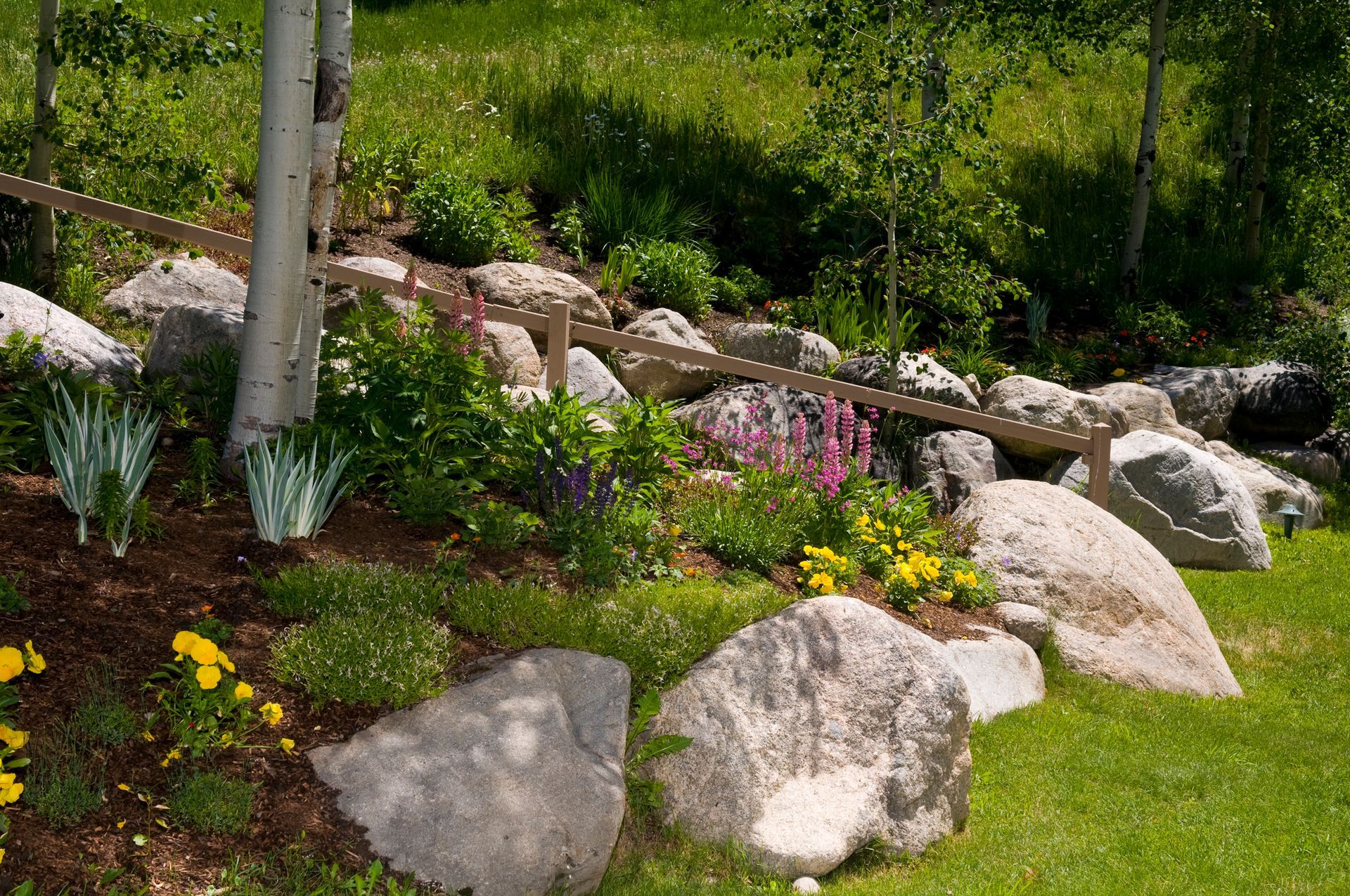
Few elements are as striking and versatile as natural boulders when it comes to enhancing your outdoor space. Boulder landscaping is a creative and functional approach to yard design that provides unique aesthetic and practical benefits. 


If you're in Pittsburgh and looking to upgrade your yard, boulder landscaping might be your solution. Here's how it can transform your outdoor space into a stunning and functional haven.


Why Choose Boulder Landscaping in Pittsburgh?


Pittsburgh's natural beauty makes it the perfect backdrop for incorporating boulders into your landscaping. With their rugged charm and timeless appeal, boulders complement the region's picturesque scenery while adding a sense of permanence and stability to your yard.


Plus, the unique topography of Pittsburgh's neighborhoods—ranging from flat areas to steep slopes—makes boulders a practical and visually appealing choice.


Benefits of Boulder Landscaping:


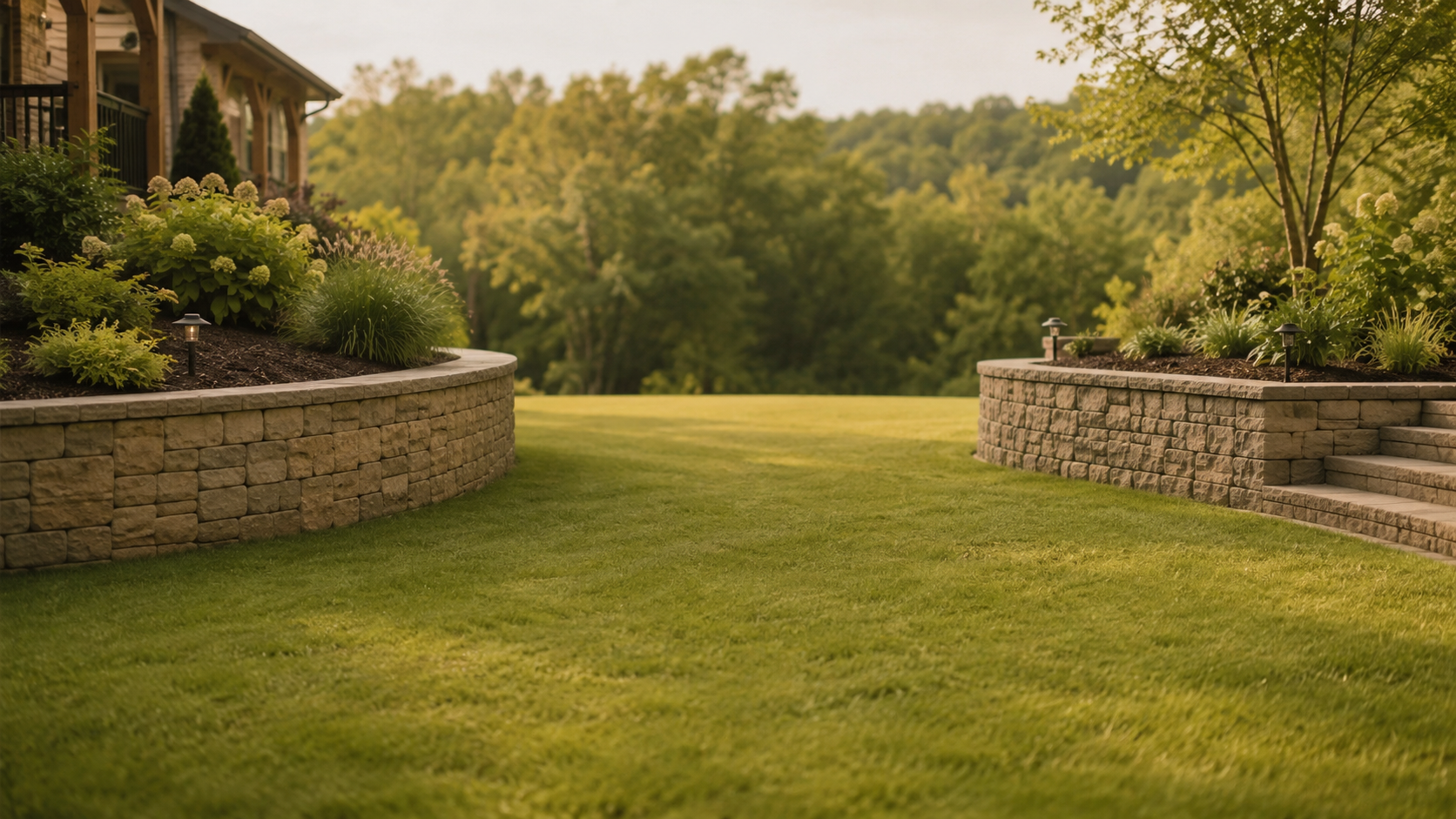
Visual Appeal: Boulders add depth, texture, and character to any yard. Whether used as standalone features or integrated into retaining walls, pathways, or garden beds, they create an eye-catching focal point that enhances curb appeal. Boulders also help you define space and give your yard structure when used for garden beds, along paths, or patios.


Low Maintenance: Boulders require virtually no upkeep, unlike plants or wooden structures. Their durability ensures they retain their beauty and functionality for years to come, making them an excellent investment for homeowners seeking long-lasting landscaping solutions.


Erosion Control: Boulders are a natural solution for controlling soil erosion, especially on sloped properties. They stabilize the ground while blending seamlessly with the environment, preventing costly damage caused by shifting soil and runoff.


Customizable Designs: With various shapes, sizes, and colors available, boulders can be arranged to suit your style and functional needs, from modern to rustic designs. Mixing and matching boulders of different textures and hues allows for endless design possibilities.


Transformative Applications of Boulder Scaping


Boulder landscaping offers endless possibilities for enhancing your yard. Here are some popular ways to use boulders:


Water Features


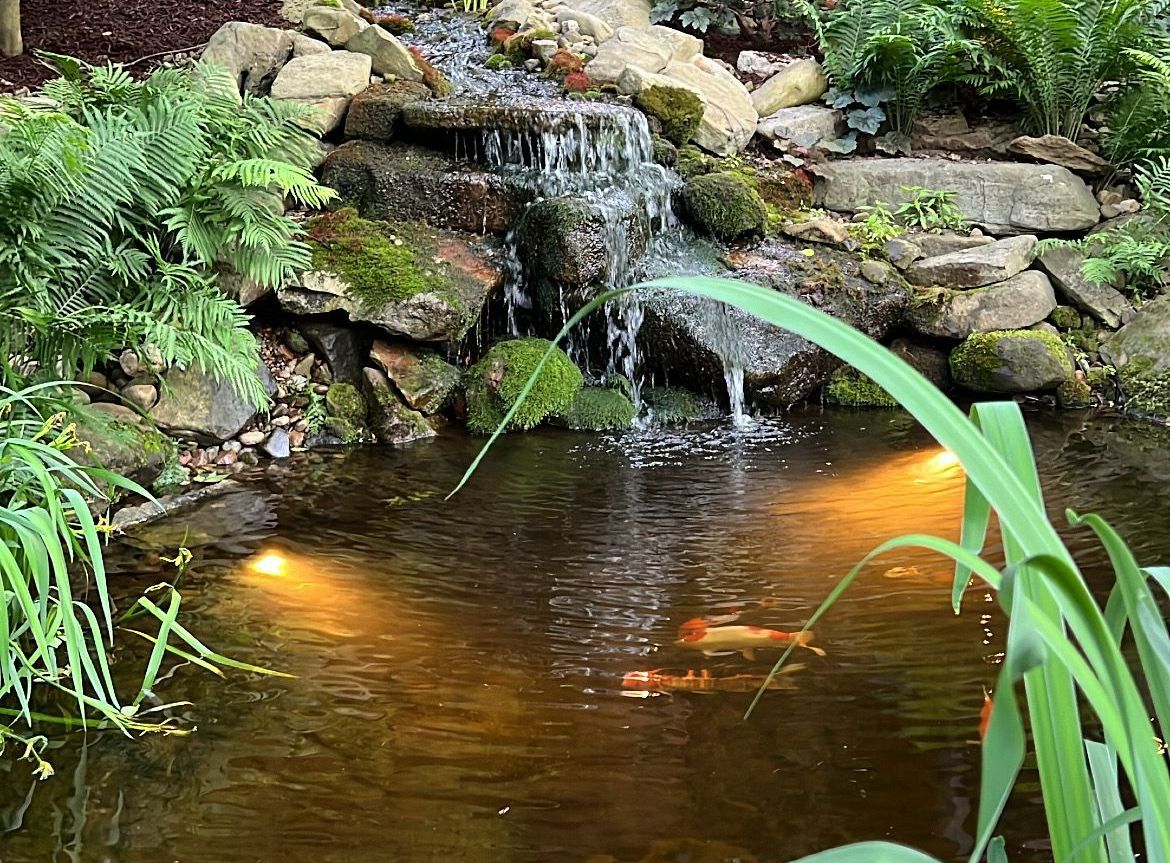
Add a sense of tranquility to your yard with boulder-integrated water features. Whether it's a cascading waterfall, a serene pond, or a babbling brook, boulders enhance the natural beauty and sound of water elements. The combination of water and stone creates a peaceful ambiance that transforms your yard into a relaxing retreat.


Custom-designed water features can be tailored to fit yards of all sizes. From small bubbling fountains to large-scale waterfalls, boulders bring a natural elegance that complements any landscaping style.


Pathways and Steps


Large boulders can serve as steps or be arranged to create unique pathways. Their natural look blends beautifully with other landscaping elements, guiding visitors through your outdoor space. Boulder pathways are particularly effective in creating a seamless transition between different areas of your yard, such as a garden, patio, or fire pit.


Steps made from boulders provide a sturdy and durable alternative to traditional stairs. They can be customized to fit any slope, ensuring safety and functionality while maintaining aesthetic appeal.


Garden Accents


Use boulders to frame garden beds, highlight specific plants, or create seating areas. Their versatility allows them to fit into any garden style, from minimalist to lush and vibrant. For instance, a single large boulder can serve as a dramatic centerpiece, while smaller boulders can be scattered throughout to add texture and interest.


Boulders can also be used to build raised garden beds, ideal for growing flowers, herbs, or vegetables. The natural stone provides insulation for plants and helps maintain soil moisture, promoting healthy growth.


Integrating Boulders into Your Natural Landscape


Start by selecting boulders that complement your region's native stones, ensuring they blend seamlessly with the environment. Strategically place them in clusters or as focal points, mimicking how rocks naturally appear in nature. 


To create a harmonious balance, consider boulders of varying sizes and shapes, partially burying them to give them a natural, grounded look, and pair them with complementary plants, such as ornamental grasses or groundcovers, to soften the edges and enhance visual interest. 


Whether used to define pathways, retain slopes, or as a striking centerpiece in a garden, boulders can set your landscape while providing durability and character.


Why Hire a Professional Boulder Landscaping Service in Pittsburgh?


While boulders are a stunning addition to any yard, their size and weight make them challenging to work with. A professional landscaping service has the expertise, equipment, and creativity to ensure your project is executed safely and beautifully. From selecting the right boulders to precise placement, hiring experts guarantee a seamless process and exceptional results.


Professionals can also access high-quality materials and design custom solutions tailored to your needs. Whether you're looking to tackle a small project or completely transform your yard, their knowledge and experience are invaluable.


Partner with Gramm Outdoor Contracting for Your Boulder Landscaping Needs


At Gramm Outdoor Contracting, we specialize in transforming ordinary yards into extraordinary outdoor spaces. Our boulder landscaping services in Pittsburgh combine creativity, precision, and quality materials to bring your vision to life. We take the time to understand your goals and preferences, ensuring every detail is carefully planned and executed.


Boulderscaping Process:


Consultation: We begin with a thorough design consultation to assess your property and learn more about your needs. 


Design: Our team creates a custom landscape design plan incorporating boulders and other landscaping elements to achieve your desired look.


Installation: Using state-of-the-art equipment and techniques, we carefully place each boulder to ensure safety, stability, and aesthetic appeal.


Finishing Touches: We add the final details, such as plantings, pathways, or lighting, to complete your outdoor space.


Transform Your Outdoor Space Today with Boulder Landscaping


Ready to elevate your yard with the timeless beauty of boulder landscaping? Contact Gramm Outdoor Contracting today to discover how we can bring your dream yard to life. With our expertise and commitment to quality, we'll help you create a stunning outdoor space you'll enjoy for years.

Author: Jake Gramm


Owner & Founder of Gramm Outdoor Contracting, Jake leads crew of experts in hardscaping and landscaping installations providing top notch work to the Pittsburgh area.


You might also like
By Jake Gramm January 30, 2026
Water Is the Real Force Behind Most Retaining Wall Failures When retaining walls fail, the visible damage often looks sudden. Cracks appear. Sections lean. In severe cases, the wall gives way entirely. What is less obvious is that the real cause is usually water, and that damage often begins years before anyone notices. Water trapped behind a retaining wall creates pressure that the wall was never meant to hold on its own. This pressure builds gradually as moisture accumulates in the soil. Over time, it stresses materials, shifts soil, and exploits construction weaknesses. Many retaining walls look stable for years before problems surface, which is why drainage planning is not an afterthought. It is one of the first decisions experienced contractors make before installation begins. Why Retaining Walls Fail When Water Has Nowhere to Go Retaining walls are designed to hold soil back but allow water through. When drainage is inadequate, several structural issues follow. Hydrostatic pressure is the most common cause. Saturated soil weighs significantly more than dry soil, and that extra weight pushes outward against the wall. As pressure builds, the wall can bow, crack, or lean forward. Soil movement compounds the problem. Water changes the behavior of soil, making it expand, contract, or shift unpredictably. That movement transfers stress directly to the wall structure. In colder climates, freeze-thaw cycles add another layer of risk. Trapped moisture freezes, expands, and then contracts repeatedly. This cycle accelerates cracking and material breakdown. These issues are not cosmetic. They are structural failures that compromise the integrity of the entire system. Once a wall begins to move, repairs become complex and costly. Drainage Is a System, Not a Single Feature One of the most common misconceptions about retaining wall drainage is that it comes down to a single component. In reality, professionals design integrated drainage systems in which each element works together to manage water safely. Controlled Water Release Through Weep Holes Weep holes in retaining walls allow accumulated water to escape rather than remain trapped behind the structure. Their purpose is simple, but their effectiveness depends on coordination with other drainage elements. When weep holes are omitted, improperly placed, or disconnected from proper backfill and subsurface drainage, water pressure builds behind the wall anyway. In some cases, poorly planned weep holes can even worsen erosion or soil loss if water exits without control. Experienced contractors treat weep holes as part of a broader water management strategy, not a standalone solution. Free Draining Backfill Materials What sits behind a retaining wall matters as much as the wall itself. Soil that holds moisture creates long-term pressure problems, while free-draining aggregate allows water to move through rather than pool. Contractors select backfill materials based on site conditions, soil behavior, and anticipated water exposure. Using the wrong material can trap moisture directly against the wall, creating constant pressure even during dry seasons. This decision is not about preference. It is about performance over decades. Subsurface Drainage Collection In many cases, water needs to be collected and redirected away from the wall entirely. Subsurface drainage systems capture water moving through the soil and guide it toward a planned outlet. This requires careful evaluation of where water originates, where it naturally wants to flow, and where it can be released safely. Outlet planning is critical, since discharging water in the wrong location can undermine other parts of the landscape or structure. These are design decisions made during planning, not tasks added later. Why Grading and Surface Water Matter as Much as What’s Behind the Wall Even the best subsurface drainage can fail if surface water is not managed correctly. Poor grading allows runoff to flow toward the wall, overwhelming drainage systems over time. Many retaining wall failures are labeled as mysterious because the visible wall construction looks sound. In reality, surface water from surrounding areas was never accounted for. Water consistently moves downhill, and drainage planning must extend beyond the wall footprint to include nearby slopes, patios, and hardscapes. Professionals evaluate how water moves across the entire site before finalizing a retaining wall design. Drainage Design Depends on Wall Type and Conditions Drainage planning is not one-size-fits-all. The appropriate approach depends on several factors that experienced contractors assess early in the process. Wall height influences the pressure the structure will experience. Taller walls require more deliberate drainage planning because the forces involved increase significantly. Material choice matters as well. Different retaining wall materials respond to pressure differently, which is why choosing the right retaining wall type is just as important as how it is installed. Soil conditions, slope, and surrounding landscape features also play a role. Clay soils behave differently from sandy soils. Sloped properties introduce additional runoff challenges. These variables shape drainage decisions long before construction begins. The Hidden Cost of Drainage Shortcuts Drainage shortcuts are rarely visible in a finished retaining wall. That is why they often appear in lower bids. Skipping proper evaluation, reducing drainage components, or ignoring site-specific water behavior can save time and money upfront. The cost shows up later. Failures caused by poor drainage often emerge years after installation, when warranties have expired, and repair options are limited. At that point, fixes are rarely simple. In many cases, addressing drainage issues requires partial or complete wall replacement. Proper drainage planning costs far less than correcting a failure, which is why qualified contractors prioritize it from the start. How Professional Contractors Account for Drainage from Day One Professional retaining wall contractors approach drainage as a core engineering consideration. At Gramm Outdoor Contracting, this begins with a thorough site evaluation. Soil behavior, slope conditions, water flow patterns, and surrounding structures are all assessed before design decisions are made. Drainage systems are planned to meet code requirements and established best practices, with long-term performance in mind. This level of planning is what separates professionally installed retaining walls from structures that fail prematurely. Can Drainage Problems Be Fixed After a Wall Is Built? In some cases, drainage issues can be improved after construction. However, options are often limited once a wall is in place. If structural movement has already occurred, adjustments may not restore long-term stability. In those situations, replacement is often the safer and more cost-effective choice. Early inspections matter. Identifying drainage problems before visible failure allows for more options and less disruption. Waiting until damage appears usually means higher costs and fewer solutions. Drainage Is Invisible Until It Fails Drainage is not an upgrade or an optional feature. It is the difference between a retaining wall that performs for decades and one that fails under pressure. Because drainage systems are hidden, their value is easy to overlook. Professional planning protects the investment by managing water before it becomes a problem. If you are considering a new retaining wall or are concerned about an existing one, scheduling a professional evaluation is the safest next step. Work with Gramm Outdoor Contracting Today!  Drainage failures are rarely the result of a single mistake. They happen when water behavior, soil conditions, and wall design are not evaluated together from the start. That is where experienced contractors separate themselves from installers who focus only on what is visible. Gramm Outdoor Contracting approaches retaining wall projects with a full understanding of drainage-related risk. From site evaluation and material selection to long-term water management planning, every decision is made with durability and performance in mind. If you are considering a new retaining wall or have concerns about an existing one, working with a contractor who accounts for drainage at the planning stage can prevent costly repairs later. Schedule a retaining wall evaluation or talk to a retaining wall specialist at Gramm Outdoor Contracting to make sure your project is built to last.
By Jake Gramm December 24, 2025
How Professional Snow Removal Helps Protect Your Property If you’ve lived through more than one winter in Pittsburgh, you already know that snow is only part of the problem. What really causes damage to residential properties across the city and surrounding suburbs is the constant freeze–thaw cycle, combined with ice, salt, and poor snow management. At Gramm Outdoor, we hear it every spring: “Why is my driveway cracking?” “What happened to the grass along my sidewalk?” “Why are my pavers suddenly uneven?” In most cases, the answer isn’t age it’s winter damage that built up over time. From steep South Hills driveways to older concrete common throughout Pittsburgh neighborhoods, winter weather quietly takes a toll on surfaces and landscaping when snow and ice aren’t managed properly. In this article, we’ll explain why Pittsburgh winters are so hard on residential properties, what kind of damage they cause, and how professional residential snow removal helps homeowners protect their investment long before spring repairs become necessary. The Freeze–Thaw Cycle: Pittsburgh’s Biggest Winter Threat Pittsburgh winters are unpredictable. One day it’s 18 degrees, the next it’s 38—and that temperature swing is where the real damage begins. The freeze–thaw cycle happens when snow and ice melt during warmer daytime temperatures and then refreeze overnight. Water seeps into tiny cracks and joints in concrete, pavers, and stone. When temperatures drop again, that water freezes and expands, widening those cracks just a little more each time. Over the course of a winter, this leads to cracking in driveways and sidewalks, flaking or scaling concrete surfaces, loosened pavers and stone walkways, and heaving or uneven slabs. Leaving snow packed down on surfaces makes the problem worse. Compacted snow melts slowly, allowing more moisture to penetrate surfaces before refreezing. Consistent, timely snow removal reduces this exposure and limits long-term damage. This is one of the biggest reasons Pittsburgh homeowners benefit from professional snow removal instead of reacting storm by storm. How Snow and Ice Damage Driveways, Walkways, and Steps Concrete and hardscaping surfaces are designed to be durable—but they’re not indestructible, especially in Western Pennsylvania winters. Common types of winter damage include surface scaling where the top layer of concrete flakes away, cracks that spread after repeated freezing, uneven slabs caused by ice expansion beneath the surface, and pavers that shift when joint material washes out. Pittsburgh properties are especially vulnerable because many homes have older concrete mixes, steep or sloped driveways that trap meltwater, shaded areas that stay frozen longer, and narrow walkways that are difficult to clear properly. DIY snow removal often unintentionally makes these problems worse. Metal shovels, improper plowing techniques, and delayed clearing allow ice to bond tightly to surfaces. Breaking that ice free damages concrete and pavers underneath. At Gramm Outdoor, our residential snow removal services use the right equipment, blade types, and techniques for each surface—helping prevent unnecessary wear while keeping your property safe and accessible. The Hidden Impact of Salt and Ice Melt on Landscaping Salt and ice melt are effective tools—but when overused or applied incorrectly, they can cause serious damage to landscaping. De-icers can burn turf along driveways and sidewalks, stress or kill shrubs in nearby beds, degrade soil structure, and damage tree roots near treated areas. In Pittsburgh, this damage often goes unnoticed until spring, when grass fails to green up and plants don’t return as expected. Sloped properties make the issue worse. Melting snow carries salt runoff downhill, concentrating chemicals in turf and beds below. Professional snow removal isn’t about using more salt—it’s about using the right amount in the right places. At Gramm Outdoor, our crews apply de-icers strategically, not excessively. We account for drainage patterns, slopes, and landscaping layout, and we use landscaping-conscious products when appropriate. This helps protect both hardscaping and plant life while still maintaining safe walking and driving surfaces. If landscaping protection matters to you, our landscaping services work hand-in-hand with smart winter snow management. Why Snow Pile Placement Matters More Than Homeowners Realize One of the most overlooked causes of winter damage is where snow is piled after removal. Improper snow placement can lead to water pooling near foundations, ice sheets forming during refreeze, turf suffocation under heavy snow piles, and damaged plant beds from compaction and excess moisture. DIY snow removal often results in snow being pushed wherever it’s convenient—against the house, onto lawn areas, or into natural drainage paths. At Gramm Outdoor, snow placement is planned before the first storm. We evaluate each property’s layout, slope, drainage, and landscaping so snow is placed where it can melt safely without creating secondary damage. This level of planning is what separates basic snow removal from true snow management. How Professional Snow Removal Prevents Long-Term Property Damage Hiring professional residential snow removal isn’t just about convenience it’s about protecting your property throughout the entire winter season. Professional snow management provides faster response times that reduce ice bonding, consistent clearing that limits freeze–thaw exposure, and proper equipment that protects concrete, pavers, and steps. Controlled de-icing prevents chemical overuse, while planned snow placement avoids drainage and landscaping issues. DIY snow removal is often reactive. Homeowners shovel when they have time, after snow has already compacted and frozen. By then, damage has already started. With professional service, your property is monitored and serviced consistently often before problems develop. At Gramm Outdoor, we don’t just clear snow. We manage winter conditions with your driveway, walkways, and landscaping in mind. Signs Winter Is Already Damaging Your Property If you’re noticing new or widening driveway cracks, flaking concrete surfaces, uneven steps or walkways, dead grass along driveways or sidewalks, or water pooling after snowmelt, winter weather may already be taking a toll. These issues often lead to costly spring repairs many of which could have been minimized or avoided with proactive snow management. Protect Your Property This Winter with Gramm Outdoor Pittsburgh winters aren’t going to get easier but property damage doesn’t have to be inevitable. Professional residential snow removal helps preserve driveways, walkways, and hardscaping, protect landscaping and soil health, reduce safety hazards, and prevent expensive repairs in the spring. At Gramm Outdoor, we understand Pittsburgh properties because we work on them every day. Our snow removal services are designed to keep your home safe, accessible, and protected all winter long. If you’re ready to stop reacting to winter storms and start protecting your investment, now is the time to plan ahead. Contact Gramm Outdoor today to learn more about our residential snow removal services and secure dependable winter protection for your home.
deck with added patio and landscaping.
By Jake Gramm November 20, 2025
Transform your boring deck into the entryway to your backyard. Install a patio, water feature, and landscaping to increase comfort, style, and property value today!

Book a Service Today