By Jake Gramm
•
June 24, 2026
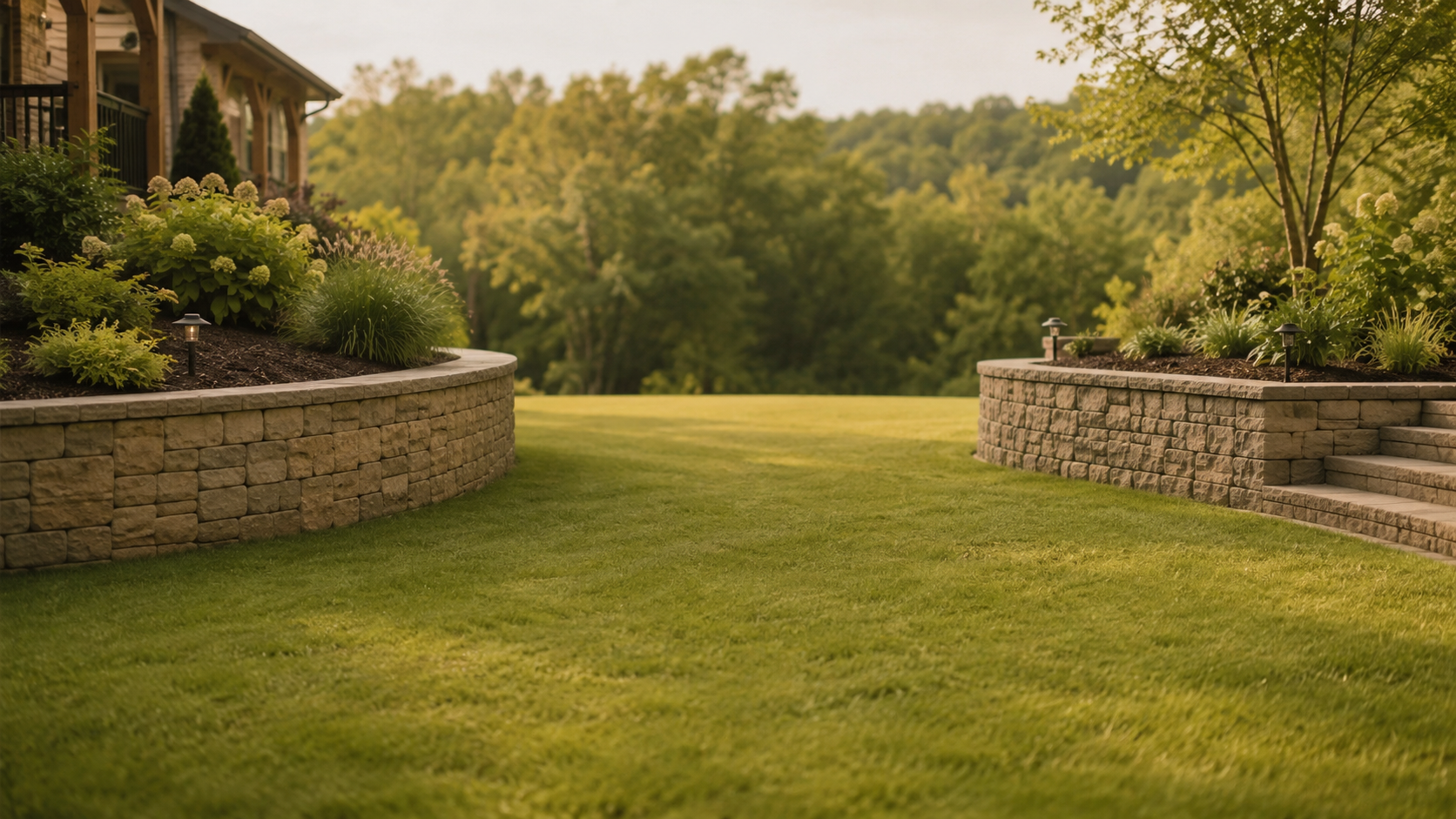
For many Pittsburgh homeowners, a retaining wall is more than a landscaping feature. It can help manage a sloped yard, reduce erosion, improve drainage, and create more usable outdoor space. Because every property is different, retaining wall cost can vary from one project to the next. The final price depends on several practical factors, including wall height, material selection, soil conditions, drainage needs, site access, and whether engineering is required. A small decorative wall near a patio will have different requirements than a structural wall built into a steep hillside. At Gramm Outdoor Contracting, we help homeowners understand what goes into retaining wall installation so they can plan with realistic expectations. If you are considering a retaining wall in Pittsburgh or the surrounding areas, the sections below explain the main factors that influence cost. How Does Retaining Wall Height Affect Cost? Height is one of the biggest factors in retaining wall cost. In general, taller walls require more materials, more labor, deeper excavation, and more structural support. A short wall used to define a garden bed may be relatively straightforward. A taller wall holding back a slope requires a more careful design. As wall height increases, the soil pressure behind the wall also increases. This means the wall may need reinforcement, proper base preparation, drainage stone, geogrid, or engineering input. These additions help the wall handle soil movement and water pressure over time. Local code requirements may also apply. Depending on the wall's height and location, some projects may require permits or engineered plans. Pittsburgh properties often include slopes, older drainage patterns, and tight access points, so it is important to have the site evaluated before assuming a wall will be simple to build. Height also affects labor. Taller walls take longer to excavate, prepare, build, backfill, and finish. They may require additional equipment or more staged work to complete safely. While a taller wall can provide important support and improve yard function, it usually comes with a higher installation cost. What Materials Influence Retaining Wall Pricing Most? Material choice has a major impact on retaining wall pricing. The right material depends on the wall's purpose, the desired look, site conditions, and the level of structural support required. Common retaining wall materials include segmental concrete blocks, natural stone, poured concrete, timber, and boulders. Each option has different costs, installation methods, and long-term maintenance needs. Some materials are better suited for decorative walls, while others are designed for engineered retaining walls that must hold back significant soil loads. Homeowners often compare retaining wall options based on appearance, durability, and budget. For example, a block retaining wall may be a practical choice for many residential projects because it is designed for efficient installation and reliable performance. Natural stone may cost more, but it can create a more custom look that complements high-end landscapes. When planning a retaining wall, it is helpful to think beyond the upfront material price. A lower-cost material may not always be the best fit if the wall needs more reinforcement, more maintenance, or replacement sooner than expected. The best material is the one that fits the structure, the property, and the homeowner's long-term goals. Is Natural Stone Retaining Wall Installation Worth the Cost? Natural stone retaining wall installation often costs more than block systems because it requires more craftsmanship and careful material selection. Each stone must be placed with attention to fit, stability, and appearance. This process can take more time, especially when the wall is highly visible or part of a larger outdoor living space. For many homeowners, natural stone is worth considering because of its durability and appearance. It can blend well with Pittsburgh's wooded lots, older homes, and sloped landscapes. Stone can also provide a more organic look than manufactured materials. Natural stone may be a strong choice for front yard walls, garden terraces, patio borders, and landscapes where appearance is a priority. However, not every site is the right fit. If the wall is tall, load-bearing, or located in an area with drainage concerns, the design must be evaluated carefully. How Do Block Retaining Walls Compare in Cost? Block retaining walls are widely used because they offer a practical balance of cost, performance, and appearance. Segmental block systems are manufactured for retaining wall installation and can often be built more efficiently than natural stone walls. A block retaining wall may be less expensive than a natural stone wall in many cases because the units are uniform in size and shape. This can reduce installation time and make the construction process more predictable. Many block systems are also designed to work with reinforcement, which makes them a common choice for engineered retaining walls. When comparing block retaining wall vs natural stone, the decision often comes down to the project's goals. Block is a better fit for homeowners who want a clean, structured look and efficient installation. Natural stone may be better for a custom or more traditional landscape appearance. How Do Site Conditions Impact Retaining Wall Costs? Site conditions can significantly affect retaining wall cost; Pittsburgh homeowners should expect this. Two walls of the same height and material can have very different prices if one is built on a clear, accessible site and the other is built into a steep, narrow, or unstable slope. Soil type matters because the wall must be designed to handle the conditions behind and below it. Clay-heavy soil can hold water, while loose or disturbed soil may require additional preparation. If the soil does not drain well or cannot provide stable support, more excavation, a stone base, or reinforcement may be needed. Slope severity also affects cost. A mild slope may require less grading, while a steep hillside may require more excavation and careful construction. For hillside landscaping, Pittsburgh homeowners often need a design that addresses both structure and drainage, not just appearance. Access is another important factor. If the equipment can easily reach the work area, installation is usually more efficient. If the crew must work around narrow side yards, fences, steps, mature landscaping, or existing hardscape, labor time may increase. Existing structures can also add cost. Old retaining walls, failing timbers, concrete, stumps, or buried debris may need to be removed before the new wall can be installed. Proper grading is also essential, which is why professional grading and landscaping for retaining walls should be part of the planning process. Does Drainage Design Increase Retaining Wall Cost? Drainage design can increase the cost of a retaining wall, but it is not an area to overlook. Water is one of the most common causes of retaining wall failure. When water builds up behind a wall, it creates pressure that can lead to leaning, bulging, cracking, or movement. A proper drainage system may include clean gravel backfill, perforated pipe, drainage outlets, filter fabric, and grading that directs water away from the wall. These items add materials and labor, but they help protect the structure over time. For many Pittsburgh properties, drainage is especially important because yards often include slopes, clay soils, older stormwater patterns, and runoff from nearby surfaces. A wall that looks solid at first can still fail if water is trapped behind it. Homeowners can learn more about why drainage systems matter for retaining walls . In most cases, investing in proper retaining wall drainage solutions is more cost-effective than dealing with major repairs later. What Structural Factors Affect Retaining Wall Pricing? Structural needs are another major part of retaining wall pricing. Not every retaining wall carries the same load. A low decorative wall around a planting bed has different requirements than a wall holding back a driveway, patio, hillside, or large amount of soil. Reinforcement may be needed when the wall is taller, the slope is steep, or additional weight is above the wall. Common reinforcement methods may include geogrid, compacted backfill, proper base stone, and engineered wall systems. These elements help distribute pressure and improve long-term stability. Engineering can also affect cost. Some walls require professional design based on height, soil conditions, surcharge loads, drainage, and local requirements. While engineering adds to the upfront cost, it provides a clearer plan for building a wall that is appropriate for the site. Load-bearing considerations are especially important near driveways, patios, foundations, walkways, or other structures. A wall supporting these areas must be built with the right materials and installed properly. Cutting corners on structural details can lead to expensive problems over time. This is why decorative walls and structural walls should not be priced the same way. A decorative wall defines a space, while a structural wall provides important support. Why Do Retaining Wall Contractors Near You Vary Pricing? When searching for retaining wall contractors near you, it is common to see different pricing from one company to another. Some differences come from labor rates, material suppliers, equipment needs, and project schedules . Other differences come from experience and installation practices. A contractor with retaining wall experience will usually look beyond the visible wall. They will evaluate the slope, drainage, soil, access, grading, and long-term performance needs. This type of planning may result in a more detailed estimate, but it also helps reduce the risk of problems after installation. Pricing may also vary based on the quality of materials used. Not all block systems, drainage materials, base preparation methods, or backfill practices are the same. A lower estimate may leave out important details, so homeowners should review what is included before making a decision. Local demand can also affect availability and pricing, especially during busy landscaping seasons. Working with a qualified local retaining wall contractor helps ensure the wall is designed for Pittsburgh terrain and common site conditions. Gramm Outdoor Contracting provides professional retaining wall installation for homeowners who want the project planned properly from the start. How Can You Budget for Retaining Wall Installation? The best way to budget for retaining wall installation is to start with a site evaluation. Online price ranges can give a general idea, but they cannot account for the actual slope, access, soil, drainage, height, and materials on your property. When reviewing estimates, make sure each contractor is pricing the same scope of work. Look for details about excavation, base preparation, materials, drainage, reinforcement, grading, cleanup, and any needed removal. A vague estimate may be harder to compare with a detailed one. Homeowners should also plan for site-specific variables. If the contractor discovers poor soil, buried debris, drainage issues, or unstable existing walls, the project may require additional work. Building some flexibility into the budget can help avoid surprises. For larger projects, phasing may be an option. Some homeowners choose to complete the most urgent structural work first, then add landscaping, steps, patios, or planting areas later. A contractor can help determine whether phasing makes sense for the site. What Warning Signs Indicate Retaining Wall Problems? Existing retaining walls should be inspected if they show signs of movement or drainage failure. Common warning signs include leaning, cracking, bulging, separated blocks, washed-out soil, pooling water, or soil pushing through the wall. These issues may mean the wall was not built with proper drainage, reinforcement, base preparation, or materials. In some cases, repairs may be possible. In others, replacement may be the safer long-term option. If you are unsure whether your retaining wall is failing, review these common warning signs and contact a professional for an evaluation. What Long-Term Value Does a Retaining Wall Provide? A properly built retaining wall can provide long-term value by helping manage erosion, improve drainage, protect parts of the property, and create more usable yard space. It can also support patios, walkways, planting areas, and other landscape improvements. For Pittsburgh homeowners with sloped yards, a retaining wall can make the property more functional and easier to maintain. The key is choosing the right design, materials, and contractor for the site. If you are planning a retaining wall project, Gramm Outdoor Contracting can help evaluate your property and recommend an installation approach suited to your yard, drainage needs, and long-term goals. Contact us today to schedule a consultation or request an estimate.