When You Need a Retaining Wall: Key Reasons & Benefits

Jake Gramm • March 28, 2025

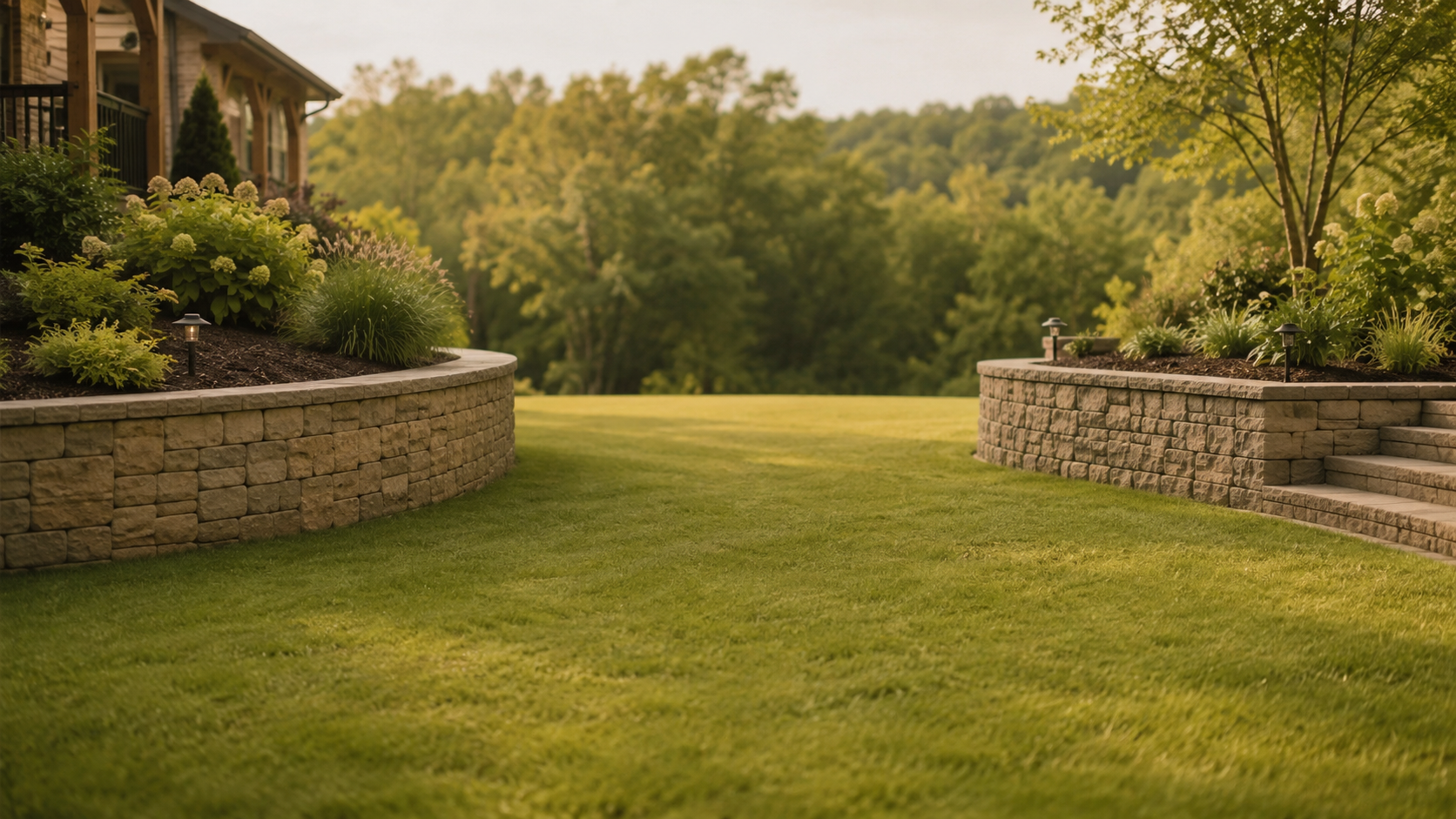
If you're dealing with a sloped yard, water runoff problems, or soil erosion, you might be wondering how to control your outdoor space. At Gramm Outdoor Contracting, we understand that retaining walls aren't just about fashion—they're about transforming your yard into something that is both beautiful, and a solution to the problem at hand.


Whether you're a homeowner looking to protect your property or a landscaper aiming to create functional, eye-catching spaces, retaining walls offer an innovative, long-lasting solution. There is a range of retaining wall benefits to help your property look and function at its best.


Here's why a retaining wall might be the perfect hardscape to add to your property:


Erosion Control and Slope Stabilization


One of the most common challenges faced by homeowners with sloped or uneven land is soil erosion. Over time, wind, rain, and gravity can cause significant soil movement, washing away your landscaping efforts, damaging plants, and even threatening the stability of your home's foundation.


Without proper stabilization, you may notice patches of exposed soil, gullies forming after heavy rain, or muddy messes pooling at the bottom of slopes. Erosion, when left unchecked, can lead to long-term property damage and expensive repairs.


At Gramm Outdoor Contracting, we design and build retaining walls that serve as reliable, long-term erosion control solutions. Our walls act as solid barriers, keeping soil securely in place while preventing washouts and sinkholes. We carefully assess your property's slope, soil type, and drainage needs to create a customized retaining wall system that enhances stability and protects your investment for years to come.


Preventing Flooding and Water Runoff Issues


Water runoff is a significant concern, especially for properties situated on sloped land. During heavy rainstorms, water naturally flows downhill, carrying soil and debris with it. Without proper management, this runoff can lead to flooded gardens, waterlogged lawns, foundation damage, or basement leaks.


Our retaining walls don't just hold soil—they are carefully engineered to control the flow of water. By incorporating effective drainage systems like weep holes, gravel backfill, and perforated drainage pipes, we help prevent water buildup behind the wall and minimize hydrostatic pressure. Additionally, we apply best practices from the EPA Stormwater Management Guide to ensure your property complies with responsible water management principles.


The result? Less water runoff, reduced flooding risks, and a healthier, more manageable yard.


Expanding Usable Space in Sloped Yards


Steep yards often leave homeowners with wasted or inaccessible outdoor space. Mowing, planting, or simply walking on these slopes can be difficult and unsafe. But with the right approach, sloped areas can be transformed into functional, beautiful spaces you can enjoy.


We specialize in using retaining walls to reshape uneven terrain. Through terracing techniques, we create multiple levels in your yard, each one flat and stable. These terraces open up endless possibilities—whether you envision a patio, vegetable garden, seating area, or children's play zone.


By converting unusable slopes into attractive, functional spaces, you're improving the appearance of your yard and increasing its overall enjoyment and usability.


Enhancing Property Value and Curb Appeal


While retaining walls offer vital functional benefits, they also effectively enhance the beauty of your property. A thoughtfully designed retaining wall can serve as a focal point in your landscape, providing texture, dimension, and architectural interest.


We offer a range of materials and designs to match your home's aesthetic and your personal preferences. Options include:


  • Natural stone retaining walls: Perfect for a timeless, stylish look that blends seamlessly with the natural environment.
  • Concrete retaining walls: Durable, modern, and highly customizable in terms of shape and finish.
  • Timber retaining walls: A warm, rustic option ideal for garden areas or outdoor retreats.


Incorporating a retaining wall is an investment that improves the function of your yard, adds to your home's curb appeal, and boosts resale value.


Supporting Structures and Preventing Land Shifts


If your property includes driveways, patios, garages, or other structures located near slopes, retaining walls play an essential role in ensuring their stability. Soil movement beneath or around these structures can cause cracks, uneven surfaces, or even severe damage over time.


We construct retaining walls that reinforce and support nearby structures by holding back shifting soil and stabilizing the surrounding area. Our team assesses the needs of your property to ensure proper placement and construction, reducing the risk of costly structural damage down the road.


Creating Defined Landscaping Areas


A well-organized yard not only looks great but also makes maintenance more manageable and more enjoyable. Retaining walls provide an effective way to organize your landscape and give your outdoor space a clean, polished feel.


We can build landscape retaining walls to create defined zones for specific purposes:


  • Planting beds: Clearly separate flower gardens, shrubs, or vegetable patches.
  • Walkways and seating areas: Provide clean boundaries between paths, patios, and lawns.
  • Water features and decorative elements: Frame focal points like fountains or ornamental trees.


Retaining walls help create a cohesive, intentional outdoor design by giving each area of your yard a distinct purpose.


Compliance with Local Building Codes and Regulations


Building a retaining wall isn't just about stacking blocks or stones—it involves understanding local regulations and ensuring the wall is constructed safely and legally. Many municipalities have specific codes regarding the height, placement, and drainage requirements for retaining walls, particularly if the wall impacts neighboring properties or drainage systems.


We handle all aspects of local code compliance and permitting for your retaining wall project. Our experienced contracting team is well-versed in local building requirements and safety standards, so you can rest easy knowing your wall is built to last and legally sound. We ensure that every retaining wall project meets or exceeds your standards while delivering the highest level of craftsmanship.


Ready to Reinforce and Beautify Your Property?


If your property faces challenges like sloped terrain, erosion, or drainage issues—or if you want to enhance your outdoor space—Gramm Outdoor Contracting is here to help. Our custom-designed retaining walls combine function, durability, and visual appeal to protect your property and elevate its beauty.


Why Choose Gramm Outdoor Contracting?


Local Expertise: We understand the soil conditions, slopes, and drainage challenges in Pittsburgh. Our experience allows us to tailor each retaining wall project to the specific needs of your property, ensuring long-lasting results.


  • Attention to Detail: Every retaining wall we build is carefully designed and crafted. From selecting the right materials to integrating drainage solutions, we take the time to get every detail right—because a well-built wall should perform well and look great.
  • Customized Solutions: No two properties are the same, and we don't believe in one-size-fits-all solutions. Whether you're dealing with a sharp slope or poor drainage or want to upgrade your landscape's appearance, we'll create a plan specifically suited to your goals and budget.
  • Quality Materials: We use only high-quality materials—whether it's natural stone, concrete, or timber—to ensure your retaining wall stands strong for years to come. We'll also help you select materials that complement the aesthetic of your home and outdoor space.
  • Code Compliance & Professionalism: Building a retaining wall isn't just about stacking materials—it requires proper engineering, knowledge of local codes, and attention to safety. Gramm Outdoor Contracting handles all permitting and code compliance for you, so you don't have to worry about hidden headaches down the road.
  • Trusted Reputation: Our clients know us for our commitment to quality, professionalism, and customer satisfaction. We stand by our work and aim to exceed expectations on every project.


Don't let erosion, runoff, or a challenging slope prevent you from having the outdoor space you've always wanted. Contact Gramm Outdoor Contracting today to schedule a consultation and see how a custom retaining wall can transform your Pittsburgh landscape, bringing lasting stability, functionality, and beauty to your property.


Author: Jake Gramm


Owner & Founder of Gramm Outdoor Contracting, Jake leads crew of experts in hardscaping and landscaping installations providing top notch work to the Pittsburgh area.


You might also like
By Jake Gramm April 27, 2026
Working With Your Land, Not Against It Sloped yards are a defining feature of many homes in Pittsburgh. While they can create challenges, they also present opportunities for thoughtful, visually appealing outdoor spaces. The difference often comes down to approach. Homeowners who try to force their yard into something it is not tend to run into costly problems. Those who work with the natural landscape typically end up with better performance, lower long-term maintenance, and a more cohesive design. At Gramm Outdoor Contracting, the focus is on designing landscapes that respect the land rather than fight against it. This approach leads to outdoor spaces that feel natural, function properly, and hold up over time. Why Pittsburgh Yards Can Be Challenging Landscaping in Western Pennsylvania comes with a unique set of conditions that directly impact how outdoor spaces should be designed. The most obvious factor is the terrain. Many properties in and around Pittsburgh are built on hillsides or uneven ground. Flat, open yards are less common, especially in established neighborhoods. Soil composition adds another layer of complexity. Much of the region contains clay-heavy soil, which does not drain well. Water tends to sit near the surface or move slowly through the ground, increasing the risk of pooling and runoff issues. The weather also plays a significant role. Frequent rain, combined with freeze-thaw cycles during winter, puts stress on hardscaping and soil stability. Water expands when it freezes, which can shift materials, weaken structures, and accelerate erosion. When these factors are combined, it becomes clear why a one-size-fits-all landscaping approach does not work in Pittsburgh. The Problem With Trying To Strong Arm Your Landscape It is common for homeowners to want a flat yard. The idea of leveling everything can seem like a straightforward solution, especially when dealing with steep slopes or uneven areas. In some cases it maybe possible! However, forcing a landscape into a flat design often creates more problems than it solves. Leveling typically involves extensive excavation and the addition of fill material. While this can temporarily create a flat surface, it does not address the underlying issues of drainage and soil stability. Over time, this can lead to: Erosion as water moves across or beneath the surface A retaining wall failure if structures are not designed to handle pressure and water flow Water pooling in low areas, especially in clay-heavy soil Increased maintenance and repair costs Ignoring drainage is one of the most common mistakes. Water will always follow the path of least resistance. If not managed properly, it can undermine structures, damage plantings, and even affect a home's foundation. In many cases, trying to reshape the land entirely results in higher upfront costs and greater long-term risk. What It Means to "Work With the Land" Working with the land does not mean leaving a yard untouched, or letting it run the show. It means designing around its natural characteristics and accenting them in a pleasing way instead of trying to eliminate them. This approach starts with understanding the existing grade and how water moves through the property. From there, the design focuses on enhancing what is already there. Elevation becomes an asset rather than a problem. Slopes can be used to create distinct areas within a yard, guide movement, and add visual interest. Structures and natural elements are blended together. Instead of sharp transitions or forced flat surfaces, the landscape feels more gradual and integrated. The result is a space that looks intentional and functions efficiently without constant intervention. Smart Solutions for Sloped Yards A well-designed sloped yard combines structure, drainage, and natural elements. The following solutions are commonly used to create functional and attractive outdoor spaces in Pittsburgh. Retaining Walls That Follow Natural Topography Retaining walls are often necessary on sloped properties, but how they are designed makes a significant difference. Rather than building one large wall to hold back a steep grade, terracing is often a more effective approach. This involves creating a series of smaller walls that step down the slope. Each level helps manage soil pressure and water flow more effectively. Proper drainage is built into the design. This includes gravel backfill, drainage pipes, and outlets that direct water away from the structure. Material selection also plays a role. Options such as natural stone and engineered block systems can be selected to match the home and its surroundings. Natural Stone Steps and Staircases Access is an important consideration in sloped yards. Without a clear path, certain areas can become difficult or unsafe to use. Natural stone steps provide a practical solution while maintaining a cohesive look. They allow for safe movement between different elevations and can be integrated into the overall hardscape design. Stone steps can be designed to follow the natural contours of your land, reducing the need for excessive grading. This approach also helps preserve the landscape's character. Water Features That Work With Gravity Sloped properties are well-suited for water features. Instead of relying on complex systems to create movement, gravity can be used as it does in nature to channel water naturally. Features such as streams, waterfalls, and ponds can be designed to follow the existing grade. This creates a more natural appearance and reduces the need for mechanical intervention. In addition to visual appeal, these features can help manage water by directing it to designated areas. Garden Beds That Match the Contour Planting plays a key role in stabilizing soil and softening the look of hardscaping. On sloped properties, garden beds are often designed to follow the contour of the land. This layered approach helps reduce erosion by slowing water movement and allowing it to absorb into the soil. A mix of plant types can be used to create visual interest while supporting soil stability. Deep-rooted plants are particularly effective for holding soil in place. This approach avoids the harsh look that can come from over-grading and creates a more natural transition between levels. Patios and Hardscaping That Fit the Terrain Outdoor living spaces do not have to be limited by slope. In many cases, multi-level patios are a better solution than creating a single flat surface. Different levels can serve different functions, such as dining, seating, or gathering areas. Built-in seating and retaining features can be incorporated into the design to maximize space. By working with the terrain, these spaces feel more connected to the landscape and require less structural intervention. Cost Considerations: Working With vs Fighting Your Yard's Topography Cost is often a deciding factor for homeowners, but it is important to look beyond initial pricing. When you fight the land, costs tend to increase quickly due to the scope of work involved. This can include: Extensive excavation Hauling away soil and debris Importing fill material Additional engineering requirements These steps can significantly raise the upfront investment. They also increase the likelihood of future repairs if the underlying issues are not taken care of completely. Working with the land takes a different approach. The focus is on smart design that minimizes unnecessary disruption. This often means: Using the existing grade as a foundation for the design Reducing reliance on heavy equipment Incorporating natural drainage solutions While this approach is not always less expensive at the start, it often results in better long-term value. Properly designed landscapes tend to require less maintenance and are less likely to experience structural issues. Choosing Landscape Design Materials That Complement Your Home and Yard Material selection is an important part of any landscape design. In Pittsburgh, it is especially important to choose materials that can handle local conditions while complementing the home. Natural stone is a common choice because it blends well with the surrounding environment and holds up to weather changes. It also offers a timeless look that complements a variety of architectural styles. Pavers and engineered materials offer additional flexibility in terms of color, shape, and pattern. These can be used to create more defined spaces while still maintaining durability. The goal is to create a cohesive design where the landscape feels like an extension of the home rather than a separate element. Why Landscape Design Matters More Than You Think Landscaping is often viewed as a construction project, but design plays an equally important role. A well-planned design considers drainage, soil conditions, elevation changes, and how the space will be used. It also anticipates potential issues before they become problems. Without proper planning, even high-quality materials and workmanship can fail over time. At Gramm Outdoor Contracting, the focus is on creating designs that balance function and appearance. This approach helps ensure that each project performs well and continues to look good for years to come. When You Do Need Major Excavation There are situations where excavation is necessary. Severely unstable slopes, drainage problems that cannot be resolved through surface solutions, or structural concerns may require more intensive work. The key is identifying when this level of intervention is truly needed. A thoughtful evaluation can prevent unnecessary work while ensuring that critical issues are addressed. Being transparent about these situations helps homeowners make informed decisions while also building trust in the process. Transform Your Yard Without Fighting It A sloped yard does not have to be a limitation. With the right approach, it can become one of the most interesting and functional parts of your property. By working with the natural landscape, it is possible to create outdoor spaces that are both practical and visually appealing. Thoughtful design, proper drainage, and well-chosen materials all contribute to long-term success. If you are considering a landscaping project, a consultation can help you understand your options and develop a plan that fits your property. To see examples of completed landscaping projects , visit our gallery. Gramm Outdoor Contracting provides custom landscape solutions designed for Pittsburgh's unique conditions.
By Jake Gramm April 2, 2026
Having doubts about your current retaining wall? Many homeowners do, and put it off.
By Jake Gramm February 17, 2026
Retaining walls rarely fail because of the block, stone, or structure alone. In many cases, the root cause is outside the wall footprint. Water movement, surrounding soil conditions, and landscape layout all influence how well a wall performs over time. This is especially true in Western Pennsylvania. Sloped yards, heavy seasonal rainfall, and freeze-thaw cycles put constant pressure on outdoor structures. At Gramm Outdoor Contracting, we approach every retaining wall installation in Pittsburgh as part of a larger system. A retaining wall is only as effective as the grading and landscape around it. When grading and landscaping are treated as integrated components rather than add-ons, retaining walls last longer, perform better, and protect the property more effectively. Why Surface Water Management Matters More Than Most Homeowners Realize Water always follows the path of least resistance. It does not recognize property lines or structural boundaries. It moves according to topography, soil composition, and surface materials. When grading directs water toward a retaining wall, the wall absorbs the impact. Even a well-built wall can be overwhelmed if runoff is consistently flowing toward it or collecting behind it. The issue is not usually the construction of the wall itself. It is the planning that precedes it. Surface water management is a design consideration. It involves understanding how water travels across the yard during normal rainfall and during heavier seasonal storms. Without that understanding, a retaining wall becomes a barrier that holds back soil but also absorbs unnecessary water pressure. Professional site evaluation focuses on how water behaves across the entire property, not just within the wall's footprint. How Runoff Patterns Affect Retaining Wall Performance Runoff patterns are often more complex than they appear. Downhill flow tends to concentrate in specific channels over time. Roof runoff, driveway runoff, and even water coming from neighboring properties can converge near a proposed wall location. In Pittsburgh, rainfall patterns, combined with winter freeze-thaw cycles, add another layer of stress. Water that collects behind or above a wall can expand when temperatures drop. Over time, this repeated cycle increases pressure on the structure and the surrounding soil. Understanding runoff patterns is part of professional site evaluation, not guesswork. A qualified retaining wall contractor in Pittsburgh should assess how water moves across the entire property before finalizing design decisions. That analysis helps determine how grading and landscaping need to support the wall for long-term performance. The Role of Grading in Long-Term Retaining Wall Stability Grading for retaining walls is about more than shaping soil. It is about directing water and relieving pressure before they become structural concerns. When grading is properly planned, it reduces the amount of water that collects near the wall. It controls where water disperses and how it moves away from vulnerable areas. This reduces hydrostatic pressure, which is one of the leading contributors to retaining wall drainage issues. Grading also protects the surrounding landscape. It prevents erosion along the wall edges and limits soil displacement during heavy rain. Over time, this stability preserves both the structural integrity of the wall and the yard's appearance. Without coordinated grading, even a structurally sound wall may face preventable stress. Professional landscape grading and drainage planning ensure the wall functions as part of a system rather than as a standalone structure. Landscaping Choices Can Help or Hurt a Retaining Wall Landscaping plays a crucial role in how a retaining wall performs. Plant placement, soil type, and surface materials all influence water absorption and runoff behavior. Certain root systems can shift soil over time if they are placed too close to structural elements. Saturated planting beds can hold excess moisture against the wall. Mulch and loose surface materials can wash away during heavy storms, exposing soil and creating erosion points. Hardscape transitions are equally important. When patios, walkways, or driveways meet a retaining wall, the surrounding surfaces must direct water appropriately. Poor transitions can funnel water directly toward the structure. Working with a contractor who understands both structural construction and professional landscaping in Pittsburgh ensures that aesthetic decisions do not compromise structural performance. The goal is a cohesive outdoor space where each element supports the others. Why Retaining Walls Should Be Planned Alongside Other Outdoor Features Retaining walls installed with patios , walkways, and water features. When these elements are designed independently, drainage conflicts can occur. For example, a patio that directs water toward a wall can undo careful structural planning. A water feature that alters runoff patterns can increase pressure in unintended areas. Integrated planning helps prevent costly rework and performance issues. At Gramm Outdoor, the retaining walls we install are frequently part of larger outdoor transformations that include patios, steps, and even integrated hardscaping and water features. When these elements are designed together, grading and drainage strategies can support the entire space rather than being adjusted after installation. If you are exploring ways to combine structural and visual impact, our guide on integrated hardscaping and water features provides additional insight. Unified planning improves both function and appearance. It ensures that water management, structural stability, and design goals align from the beginning. Common Problems When Grading and Landscaping Are Treated as Afterthoughts When grading and landscaping are secondary considerations, specific patterns tend to emerge. Water may pool behind or above the wall. Soil erosion can develop at the edges. Planting areas may remain saturated long after rainfall. Over time, the wall may show signs of movement or separation. These issues are rarely caused by one isolated mistake. More often, they stem from incomplete planning. Treating grading and landscaping as separate tasks rather than structural support systems increases the likelihood of premature wear. For property owners comparing contractors, this is an important distinction. A single service installer may focus solely on the wall itself. A full scope outdoor contractor evaluates how the wall fits into the broader landscape and drainage plan. How Gramm Outdoor Approaches Retaining Wall Installation in Pittsburgh Our approach to retaining wall installation in Pittsburgh begins with a site-specific evaluation. We assess slope conditions, runoff patterns, soil behavior, and how surrounding features interact with the proposed wall location. Grading, drainage, and wall design are coordinated from the outset. This integrated process reduces long-term risk and supports overall landscape performance. Our team understands how the Pittsburgh terrain and weather patterns influence outdoor structures. From steep residential lots to properties affected by seasonal water movement, local experience informs every decision. We do not treat retaining walls as isolated installations. We treat them as structural components within a larger outdoor system. That mindset protects the investment and supports long-term durability. If you are researching options, learn more about our approach to retaining wall installation in Pittsburgh and how integrated planning improves outcomes. When to Have Your Property Evaluated Certain conditions suggest it is time for a professional evaluation. Persistent runoff issues after heavy rain are one indicator. Sloped yards with visible erosion are another. Existing retaining walls that show movement, cracking, or soil displacement may signal underlying grading or drainage concerns. If you are planning a patio, walkway, or water feature, it is also wise to evaluate how those additions will interact with existing slopes and structures. Addressing grading and drainage during the planning phase prevents future complications. Early evaluation allows for coordinated design rather than reactive repairs. Strong Retaining Walls Start With Smart Planning Grading and landscaping are not optional enhancements. They are structural support systems that determine how well a retaining wall performs over time. In a region like Pittsburgh, where weather and terrain create ongoing pressure on outdoor spaces, coordinated planning matters. A retaining wall designed in concert with grading and drainage strategies will outperform one installed in isolation. At Gramm Outdoor Contracting, we approach each retaining wall project with a systems-based mindset. By aligning retaining walls, grading, and landscape design from the beginning, we protect both the structure and the surrounding property. If you would like to start a retaining wall project, schedule a Retaining Wall and Grading Evaluation with our team. You can also talk directly with a Pittsburgh retaining wall contractor to discuss your property conditions and long-term goals. Thoughtful planning today supports lasting performance tomorrow

Book a Service Today